

cropper
update

Cape Coral Home Improvement

update
  • Home
  • Categories
    • home improvement
    • bathroom renovations
    • kitchen renovations
    • landscaping services
    • roofing
    • roof repairs
    • landscaping ideas
  • All Posts
  • home improvement
  • bathroom renovations
  • kitchen renovations
  • landscaping services
  • roofing
  • roof repairs
  • landscaping ideas
April 24.2026
1 Minute Read

Using Patient Education to Enhance Dental Care Between Visits

Imagine leaving your dental appointment feeling fully informed and confident about your oral health, equipped with the knowledge to maintain it until your next visit. This is the power of patient dental education, a vital practice that bridges the gap between appointments and transforms how individuals manage their oral care. In today’s dental landscape, empowering patients with clear, accessible information is fundamental to achieving lasting health outcomes and fostering patient trust and compliance.

Understanding the Importance of Patient Dental Education in Oral Health

Defining Patient Dental Education and Its Role in Oral Care

Patient dental education is the process of informing individuals about their oral health conditions, treatment options, preventive measures, and self-care practices. It transcends traditional dental visits by offering patients tools to understand their own oral health comprehensively, thereby encouraging proactive involvement in maintaining their smiles. This education includes personalized explanations during exams, educational materials, digital resources, and ongoing communication.

By focusing on education, dental professionals not only treat existing issues but also prevent future complications. This holistic approach supports patients in adopting healthy habits and recognizing symptoms early. As dental health is closely linked to overall wellness, providing education is essential to promote systemic health and quality of life, especially for conditions like TMJ disorders, periodontal disease, and sleep apnea.

Patient dental education in dental office with multigenerational group consulting dental team

How Patient Education Improves Oral Health Outcomes

Effective patient education directly contributes to better oral health by increasing patient awareness and adherence to treatment plans. When patients understand the root causes of their dental issues, such as bite problems or gum disease, they become active participants in their care. This involvement leads to improved hygiene practices, timely follow-ups, and reduced need for invasive procedures.

Dr. Rodion Hasov, of Naples Dental & Wellness Center, explains, "We prioritize giving patients a healthy mouth by addressing bite issues, TMJ, sleep apnea, and periodontal disease through comprehensive education and care. " This thorough communication enhances patient trust and satisfaction, setting the foundation for successful long-term health management.

Comprehensive Patient Education During Dental Exams

Step-by-Step Process of Patient Education in a Comprehensive Exam

At the heart of patient dental education lies the comprehensive dental exam, which serves as both a diagnostic and teaching opportunity. Dr. Rodion Pinkhasov from Naples Dental & Wellness Center uses a detailed, patient-centric approach during exams. First, the patient’s head and neck undergo a 3D scan alongside intraoral scans and traditional X-rays to gather precise data on oral and facial structures.

Following this, Dr. Pinkhasov engages patients with targeted questions about symptoms like ringing in the ears, vertigo, sleep apnea, or grinding teeth. This conversation helps identify underlying bite issues or contributing systemic conditions. Throughout the exam, findings are displayed on large screens for real-time visual explanations. This method demystifies dental health and resonates deeply with patients who often remark on how enlightening the process is.

Utilizing 3D Scans and Visual Aids to Enhance Patient Understanding

3D imaging and visual aids are invaluable tools that elevate patient dental education. By visually presenting the anatomy and problem areas, patients gain a clear picture of what is happening inside their mouths. This transparency fosters trust and reduces uncertainty. Dr. Pinkhasov shares, "Patients often say, ‘How come nobody ever told us this?’ after we educate them using 3D scans and visual explanations during their exam. "

Visualizing dental anatomy also helps to clarify complex treatment plans. Whether showing the location of missing teeth, areas affected by periodontal disease, or the placement of potential implants, these aids facilitate informed decision-making and encourage patient buy-in for recommended treatments.

Addressing Oral Health Conditions Through Patient Dialogue

Patient dialogue is key to successful education and care. Discussing symptoms and lifestyle factors helps identify conditions such as TMJ disorder, sleep apnea, and periodontal disease early. Dr. Pinkhasov makes it a priority to explore how habits like teeth grinding affect overall oral health and long-term outcomes.

Patients become active collaborators when they understand how their symptoms align with dental health issues. This collaborative dialogue supports a more personalized care plan and empowers patients to participate in effective management strategies, improving adherence and reducing anxiety about treatment.

Overcoming Dental Anxiety to Improve Patient Compliance

Designing a Relaxing Environment to Reduce Anxiety

Dental anxiety can be a major barrier to consistent oral care. Recognizing this, Dr. Rodion Pinkhasov built his dental practice environment thoughtfully to promote relaxation. From color schemes inspired by spa aesthetics to soft ambient lighting and soothing music, every detail is designed to ease patient nerves.

This calming atmosphere replaces the harsh, clinical feel typical of many dental offices. Instead, it fosters a sense of peace and safety, which is crucial for patients with dental fears. Offering natural, subtle colors instead of stark or sharp tones helps patients feel at ease from the moment they enter the office.

Patient relaxed in calming dental office environment with supportive dental team member

Strategies from Scheduling to Treatment to Support Anxious Patients

Dr. Pinkhasov’s approach to reducing dental anxiety extends beyond office design. It begins at scheduling, where the staff ensures clear, supportive communication to prepare patients ahead of visits. During paperwork and consultations, patients receive thorough explanations to remove any uncertainty.

During treatment, the team provides continuous reassurance and educates patients on each step. This transparency fosters trust and shifts the patient-provider relationship to a partnership. As a result, patients with prior anxiety often begin to attend appointments regularly, improving their oral health significantly.

Impact of Patient Dental Education on Consistent Oral Care

When dental anxiety is mitigated through education and environment, patients gain confidence and become more compliant. Consistent care allows early detection and management of oral conditions, reducing the need for emergency or extensive interventions. This continuity is particularly important for chronic issues like periodontal disease and TMJ problems.

Educated patients understand the importance of follow-up appointments and home care routines. This understanding fosters a proactive outlook, minimizing neglected dental problems and enhancing overall oral wellness.

Advanced Dental Procedures and Patient Education

Determining Candidacy for Full Arch Implants and Gum Disease Treatment

Advanced dental procedures, such as full arch implants and gum disease treatments, require a careful candidacy assessment. Dr. Pinkhasov emphasizes comprehensive evaluation using 3D imaging to assess bone quality and anatomical considerations. This advanced diagnostic step is critical to customizing treatments and achieving successful outcomes.

Many patients come with prior treatment refusals due to inadequate assessments elsewhere. Naples Dental & Wellness Center’s expertise and technology enable offering solutions to individuals who thought they had no options. Sharing detailed scans and treatment simulations with patients ensures they understand the procedure and expected results.
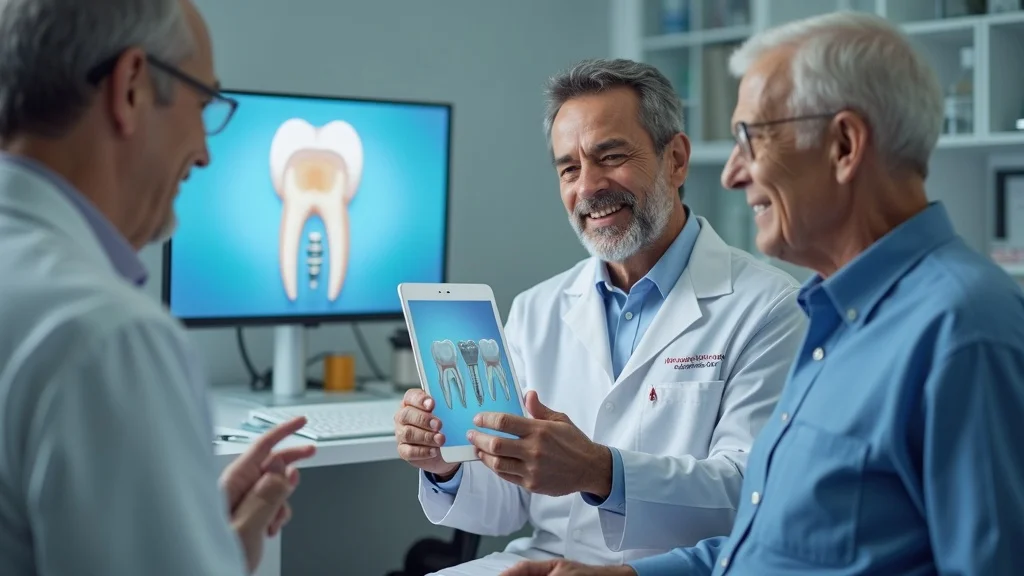
Dentist consulting patient with 3D digital model of full arch implants during education session

How In-House Dental Labs Enhance Patient Experience and Customization

One hallmark of the Naples Dental & Wellness Center is its in-house dental lab, staffed by 11 skilled technicians. This capability dramatically improves patient care by enabling same-day restorations such as crowns and implants. Dr. Pinkhasov explains, "Having an in-house lab allows us to lower costs and provide same-day service without compromising quality, benefiting busy patients in Southwest Florida. "

The lab’s proximity fosters seamless collaboration, customization, and rapid adjustments. Patients benefit from less waiting time, personalized restorations, and reduced financial burden. This advanced setup exemplifies how integrating technology and patient education can elevate treatment success and convenience.

Leveraging Educational Content to Support Oral Care Between Visits

Using Videos, Fact Sheets, and Digital Tools to Educate Patients

Beyond in-office education, Naples Dental & Wellness Center strategically uses digital educational content to maintain patient engagement between visits. Videos, fact sheets, and interactive software on tablets help explain procedures and oral health concepts in an approachable way. These resources empower patients to prepare meaningfully for treatments and follow recommended care steps at home.

For example, animations showing the effects of teeth grinding or the importance of canine guidance help visualize topics often difficult to grasp. By using these modern tools, patients stay informed and connected, which promotes adherence and reduces anxiety.

Young woman watching patient dental education video on laptop at home

Explaining Dental Procedures Like Crowns, Veneers, and Implants Clearly

Patient understanding of dental procedures is crucial for positive experiences and outcomes. At the consultation stage, models and computer simulations demonstrate what to expect from treatments like crowns, veneers, fillings, or implants. These visualizations simplify complex procedures and dispel uncertainties.

Providing printed folders with detailed information helps reinforce verbal explanations. As a result, patients feel equipped to make informed decisions and participate actively in care plans, leading to greater satisfaction and trust.

Encouraging Patient Compliance Through Accessible Educational Resources

Accessible education directly impacts patient compliance. By ensuring materials are easy-to-understand and readily available, dental teams help patients maintain oral hygiene routines and attend timely follow-ups. This ongoing support is essential, particularly for managing chronic conditions and preventing relapse.

Consistent patient engagement through education nurtures a collaborative care environment where patients view their dental team as partners in health, not just providers of treatment.

Common Oral Health Conditions Addressed Through Patient Education

Managing TMJ, Sleep Apnea, and Periodontal Disease with Informed Care

Patient education plays a vital role in managing complex oral health conditions like TMJ disorders, sleep apnea, and periodontal disease. These conditions often have systemic impacts requiring coordinated care. Educating patients about symptoms, risk factors, and treatment options encourages early intervention.

For instance, understanding how bite problems contribute to TMJ pain or how periodontal disease affects overall health motivates patients to adhere to treatment. Naples Dental & Wellness Center uses anatomical models during education sessions to illustrate jaw and airway structures, enhancing patient comprehension and engagement.
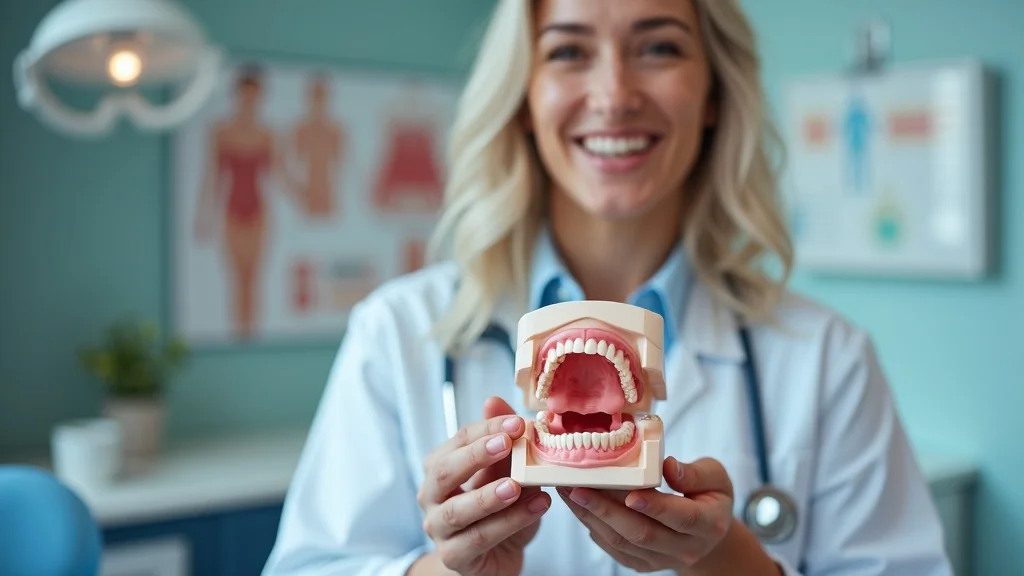
Dental hygienist demonstrating TMJ jaw anatomy during patient dental education session

The Role of Patient Education in Preventing Dental Complications

Preventing dental complications hinges on early detection and informed care. Patient education highlights warning signs and preventive measures, empowering patients to seek care before problems worsen. This approach reduces emergency visits, costly interventions, and overall health risks.

By demystifying oral health and emphasizing maintenance between appointments, education builds a foundation for lasting wellness and improved quality of life.

Best Practices for Dental Professionals to Educate Their Patients

Incorporating Patient Education into Routine Dental Visits

Integrating education into every dental visit ensures continuous patient engagement. Discussing findings, demonstrating procedures, and addressing patient questions should be routine components of care. This repeated reinforcement enhances understanding and promotes behavior change.

Utilizing Technology and Visual Aids for Effective Communication

Modern technology such as 3D scanners, digital models, and educational software greatly enhances communication. These tools cater to diverse learning preferences and improve retention of information. Visual aids especially help simplify technical concepts and treatment rationales.

Building Trust and Encouraging Questions to Enhance Understanding

Creating an open, respectful environment where patients feel comfortable asking questions strengthens trust. Dental professionals should actively invite inquiries and patiently clarify misconceptions. This fosters a collaborative atmosphere that supports better health outcomes.

People Also Ask

What is patient dental education and why is it important?

Patient dental education involves informing and empowering patients about their oral health, treatment options, and preventive care. It is crucial because it improves patient compliance, reduces anxiety, and leads to better long-term oral health outcomes.

How can dental practices reduce patient anxiety?

Dental practices can reduce patient anxiety by creating a calming environment, using soothing colors and lighting, providing clear explanations, and offering supportive communication throughout scheduling and treatment.

What are the benefits of having an in-house dental lab?

An in-house dental lab allows for faster turnaround times, greater customization, cost savings, and improved coordination between the dental team and lab technicians, enhancing the overall patient experience.

Key Takeaways

  • Patient dental education is essential for improving oral health and patient compliance.
  • Comprehensive exams with 3D imaging and visual aids enhance patient understanding.
  • Creating a calming environment helps reduce dental anxiety and encourages consistent care.
  • Advanced procedures benefit from patient education and in-house lab capabilities.
  • Educational content between visits supports ongoing oral care and health maintenance.
Patient Education Method Purpose Benefits
3D Scans and Visual Aids Explain oral conditions and treatment plans Improved patient understanding and trust
Educational Videos and Fact Sheets Prepare patients for procedures Increased patient compliance and reduced anxiety
In-House Lab Demonstrations Showcase treatment customization Faster service and cost savings
Calming Office Environment Reduce anxiety Better patient experience and retention

Conclusion

Effective patient dental education is a cornerstone of quality dental care. By combining advanced technology, a patient-centered approach, and comprehensive educational resources, dental practices can significantly enhance oral health outcomes and patient satisfaction between visits. As Dr. Rodion Pinkhasov of Naples Dental & Wellness Center emphasizes, educating patients not only informs but empowers them to take control of their oral health journey.

To learn more about how patient dental education can transform your dental care experience, contact Naples Dental & Wellness Center today and take the first step toward a healthier smile.
Sources

  • Naples Dental & Wellness Center Official Website
  • American Dental Association: Patient Education
  • Impact of Patient Education On Oral Health
home improvement

0 Views

0 Comments

Write A Comment

*
*
Please complete the captcha to submit your comment.
Related Posts All Posts
04.24.2026

The Benefits of In-House Dental Labs for Faster Smile Restorations

Imagine walking into your dental office and leaving the same day with a completely restored smile, tailored precisely for your needs. This convenience is becoming a reality thanks to the in-house dental lab benefits that some advanced dental practices now offer. These benefits streamline processes, reduce waiting times, and enhance the overall patient experience. Dr. Rodion Pinkhasov, a leading expert at Naples Dental & Wellness Center, shares insights on how in-house dental labs revolutionize dental restorations, enabling patients to regain confidence and health faster than ever before. For more information, visit https://naplesdentalandwellness.com/ Understanding In-House Dental Lab Benefits: An OverviewDefinition and role of dental labs in restorative dentistryDifference between in-house dental labs and third-party labsImportance of dental lab quality control in patient outcomesDental labs are essential in restorative dentistry, responsible for fabricating crowns, bridges, dentures, and implants that restore function and aesthetics. Traditionally, many dental offices rely on third-party labs, sending impressions or digital scans off-site and waiting days or weeks for final restorations. In contrast, an in-house dental lab is fully integrated within the practice, allowing dentists and technicians to work side-by-side.This proximity brings significant control over the fabrication process, ensuring quality control is meticulous and immediate. It reduces the risk of errors, miscommunication, and delays often encountered with external labs. Dr. Rodion Pinkhasov of Naples Dental & Wellness Center explains, “By having an in-house dental lab, our team maintains direct oversight of every restoration piece, so we can deliver excellent outcomes and catch any issues instantly. ” This direct control is vital for achieving optimal patient results and satisfaction.How In-House Dental Labs Enhance Dental Restoration and Implant ProceduresStreamlined workflow from diagnosis to restorationAdvanced 3D scanning and milling technologies used in-houseCustomization and precision in dental implant fabricationOne of the greatest advantages of an in-house dental lab is the seamless workflow it creates—from comprehensive diagnosis to final restoration. Using advanced 3D scanning technology, dentists capture precise images of a patient’s mouth and bone structure. These scans provide critical data for creating perfectly fitting restorations. The process is then expedited by in-house milling machines that craft the restoration on-site.Customization is greatly enhanced because the lab technicians collaborate directly with dentists during every step, adjusting design elements to the patient's unique anatomy. This precision fabrication is especially crucial for dental implants, where fit and integration with bone are vital to long-term success. Dr. Pinkhasov shares, “Having an in-house dental lab allows us to lower prices for patients without compromising quality, while providing faster, more customized care. ”Quality Control Advantages in In-House Dental LabsDirect oversight of dental restoration fabricationImmediate adjustments and corrections to prostheticsEnhanced communication between restorative dentists and lab techniciansImpact on Patient Care and SatisfactionReduced treatment times and fewer appointmentsImproved patient education through visual aids and modelsHigher success rates in dental implant proceduresThe in-house dental lab setup enables real-time quality control. When restorations are produced on-site, any necessary modifications happen instantly, preventing repeated trips and delays. This level of oversight means restorations meet exacting standards before placement.Additionally, communication is vastly improved. The restorative dentist can interact directly with the lab technicians, discussing adjustments based on patient feedback and clinical findings. This collaboration accelerates the ability to perfect restorations. As a result, patients experience significantly fewer visits and reduced treatment durations.Dr. Pinkhasov notes, “Patients are often amazed when they see their treatment plan and implant placement simulated in 3D, which builds trust and reduces anxiety. ” This educational approach empowers patients to understand their treatments deeply, improving satisfaction and adherence to care plans.Comparing In-House Dental Labs to Outsourced Dental LaboratoriesFeatureIn-House Dental LabOutsourced Dental LabTurnaround TimeSame-day or next-day serviceSeveral days to weeksCustomizationHighly personalizedStandardized processesCost EfficiencyLower overhead costsHigher fees due to third-party involvementQuality ControlDirect supervisionLimited oversightPatient ExperienceEnhanced through education and speedLess direct patient involvementCommon Misconceptions About In-House Dental LabsMyth: In-house labs compromise quality for speedFact: Advanced technology ensures superior precision and durabilityMyth: Only large practices can afford in-house labsFact: Strategic investment can reduce long-term costs and improve patient outcomesDespite their growing popularity, some still misunderstand in-house dental lab benefits. A common myth is that labs inside the practice sacrifice quality for speed. In reality, cutting-edge milling technology and rigorous quality checks provide restorations that meet or exceed external labs' durability and precision.Another misconception is that only large dental offices can sustain the cost of an in-house lab. Dr. Pinkhasov’s practice in Southwest Florida demonstrates that, through efficient management and technological investments, even moderate-sized practices can afford to implement advanced labs. These choices ultimately save money by reducing turnaround times and increasing patient throughput without compromising care.Actionable Tips for Patients Considering Dental RestorationsAsk if your dental office has an in-house lab and how it benefits your treatmentRequest to see digital simulations or models of your restorationDiscuss the timeline and quality control measures with your dentistUnderstand the role of the dental lab in your overall care planWhen exploring dental restorations, being informed is key to achieving the best outcome. Start by inquiring whether your dentist operates an in-house dental lab. This can dramatically affect your treatment's speed, convenience, and cost.Don’t hesitate to ask for a digital simulation or physical models illustrating how your restoration will look and function. These tools not only clarify expectations but also give clues about the practice’s investment in technology.Discuss timelines and the lab’s quality control processes to understand how your restoration will be fabricated and verified. Gaining this knowledge helps you make confident, well-informed decisions that support your oral health goals.People Also AskWhat are the main benefits of an in-house dental lab?In-house dental labs offer faster turnaround times, higher customization, improved quality control, and enhanced patient education. By fabricating restorations onsite, they eliminate delays and allow direct dentist-technician collaboration, resulting in better-fitting, durable dental implants and crowns.How does an in-house dental lab affect the cost of dental implants?Because there is no need to outsource production, the overall cost is reduced due to lower overhead. These savings often translate into more affordable treatment for patients without sacrificing quality. Dr. Rodion Pinkhasov explains that his practice passes these cost benefits directly to patients.Are dental restorations from in-house labs as durable as those from external labs?Yes. In-house labs utilize the same advanced milling and scanning technology found in high-end external labs, ensuring restorations meet stringent quality and durability standards. Rigorous overseen fabrication supports long-lasting dental health.Summary of Key TakeawaysIn-house dental labs significantly improve the speed and quality of dental restorations.Direct collaboration between dentists and lab technicians enhances customization and patient education.Patients benefit from reduced anxiety and better treatment outcomes with in-house lab services.Investing in an in-house lab can lower costs and improve practice efficiency.Final Thoughts on the Value of In-House Dental Lab BenefitsPatients seeking quicker, high-quality smile restorations should consider dental practices with in-house labs. This integration accelerates treatment, enhances customization, cuts costs, and supports superior outcomes, making it a modern standard for patient-centric dental care.What You'll LearnThe fundamental role of dental labs in tooth restoration and implant procedures.How having an in-house dental lab accelerates treatment timelines and improves care quality.Quality control benefits from direct dentist-technician collaboration in in-house labs.Practical steps patients can take to assess and maximize their dental restoration experience.Expert Quotes“Having an in-house dental lab allows us to lower prices for patients without compromising quality, while providing faster, more customized care.” – Dr. Rodion Pinkhasov, Naples Dental & Wellness Center“Patients are often amazed when they see their treatment plan and implant placement simulated in 3D, which builds trust and reduces anxiety.” – Dr. Rodion Pinkhasov, Naples Dental & Wellness CenterSourceshttps://naplesdentalandwellness.com/

04.23.2026

Identifying and Treating Bite Problems to Improve Overall Health

Imagine living with frequent jaw discomfort, headaches, or unexplained ringing in your ears, only to discover these symptoms stem from a bite problem. Bite issues often go unnoticed yet can profoundly impact your overall health, including sleep apnea and temporomandibular joint (TMJ) disorders. This article delves into the essentials of bite problem treatment, exploring how dentists identify these conditions and the array of corrective options available to improve your oral and overall wellness. Understanding Bite Problems and Their Impact on Overall Health What Are Bite Problems? Types of Bite Problems and Misaligned Bite Bite problems refer to irregularities where the upper and lower teeth do not align properly upon closing the mouth. These include common types such as overbite, underbite, crossbite, and open bite. Each type involves a different form of misalignment affecting both the teeth and jaw structure. A misaligned bite not only affects dental aesthetics but can also lead to uneven tooth wear and difficulty in speaking or chewing. For example, an overbite occurs when the upper front teeth extend significantly over the lower teeth, while an underbite happens when the lower jaw protrudes beyond the upper jaw. A crossbite involves lateral misalignment, causing upper teeth to sit inside or outside the lower teeth, and an open bite is characterized by front teeth that don’t touch when biting down. Identifying these issues early is crucial for timely intervention. Common Symptoms and Health Issues Related to Bite Problems Patients with bite issues often experience a spectrum of symptoms, ranging from frequent jaw pain and headaches to more severe conditions like TMJ disorders and tinnitus. Dr. Rodion Pinkhasov, of Naples Dental & Wellness Center, emphasizes, “We assess patients for signs like ringing in the ears, vertigo, and sleep apnea, all potential indicators of an underlying bite problem. ” Such symptoms can interfere with daily life and sleep quality, underscoring the necessity of comprehensive diagnosis and treatment. Beyond physical discomfort, untreated bite problems can trigger secondary health concerns. For instance, uneven pressure may cause accelerated tooth wear, increasing susceptibility to cavities and gum disease. Moreover, misalignment can exacerbate breathing difficulties during sleep, linking bite issues to sleep apnea — a condition with serious cardiovascular implications. Step-by-Step Process for Diagnosing Bite Problems Comprehensive Exam Techniques: 3D Scans, X-rays, and Patient History Diagnosing a bite problem requires a meticulous and technology-driven approach. At Naples Dental & Wellness Center, the examination begins with advanced imaging, including 3D scans of the head and neck, alongside detailed intraoral scans and multiple X-rays. This comprehensive imaging enables Dr. Rodion Pinkhasov and his team to assess bone quality, tooth positioning, and jaw alignment accurately. Patient history is equally vital. Questions about symptoms such as jaw clicking, grinding, snoring, and even restless leg syndrome provide insights into potential functional bite issues. "Our process is holistic," explains Dr. Pinkhasov, "We educate patients by showing them the 3D images and explain how their bite impacts their overall health, which is often eye-opening for them. ” This transparent communication fosters patient trust and engagement in the treatment plan. Identifying Underlying Causes: TMJ, Sleep Apnea, and Other Related Conditions Many bite problems stem from or contribute to conditions such as TMJ disorders and sleep apnea. TMJ issues arise when misaligned bites place excessive strain on the temporomandibular joint, resulting in pain, restricted movement, or clicking sounds. Additionally, improper alignment can aggravate sleep apnea by affecting airway patency during rest. Dr. Pinkhasov highlights, “We screen for multiple symptoms — from tinnitus to vertigo — that often correlate with bite dysfunction. Identifying these helps us tailor treatments addressing the root cause, not just the symptoms. ” Such a thorough diagnostic process ensures a more effective and lasting outcome for patients. Bite Correction Treatment Options: From Orthodontics to Surgery Orthodontic Treatment and Bite Alignment Solutions For many patients, orthodontic treatments such as braces or clear aligners are primary solutions to correct bite misalignments. Clear aligners have gained popularity due to their discreet appearance and comfort. These devices gradually reposition teeth to achieve functional and aesthetic bite correction. Incorporating customized orthodontics, Naples Dental & Wellness Center uses digital models to simulate bite changes, enhancing patient understanding and compliance. The practice also provides full-spectrum orthodontic care tailored to the complexity of each patient’s bite issue, enabling precise and effective correction over time. Advanced Correction Treatments: Full Arch Implants and Jaw Surgery In cases where bite problems are severe or involve significant tooth loss, advanced treatments like full arch implants or jaw surgery become necessary. Dr. Pinkhasov notes, “Many patients who have been turned down elsewhere due to complexity find solutions here because of our advanced diagnostics and in-house lab capabilities. ” Full arch implants restore both function and appearance for patients with missing teeth or deteriorated jawbone. Conversely, jaw surgery can rectify misalignments affecting both upper and lower jaws, improving bite function and relieving associated health issues. These interventions require detailed planning, often using 3D imaging to map surgical and restorative steps meticulously. When Tooth Extraction Is Necessary in Bite Problem Treatment Sometimes, correcting a bite demands removing one or more teeth to allow for proper alignment and function. Tooth extraction may be indicated when overcrowding exists or when affected teeth cause structural imbalances. This step is carefully considered within the broader treatment plan to optimize outcomes without compromising oral health. Dr. Pinkhasov stresses the importance of individualized care: “Every extraction is planned with the end goal of a functional, comfortable bite. We ensure patients understand why each step—extractions included—is integral to successful bite correction. ” Expert Insights on Effective Bite Problem Treatment Dr. Rodion Pinkhasov, of Naples Dental & Wellness Center, explains, "We take a 3D scan and educate patients by showing them their bone structure and bite issues, which helps them understand the treatment plan clearly. " The Importance of Patient Education and Customized Treatment Plans Patient education is a cornerstone of successful bite problem treatment. Dr. Pinkhasov and his team prioritize clear explanations using digital models, in-office demonstrations, and take-home educational materials. This empowers patients to comprehend their conditions and actively participate in their care decisions. Customized plans adapt to each patient’s specific needs, symptoms, and lifestyle. For example, treatment for someone with TMJ-related bite issues may emphasize stabilizing the jaw, while someone with sleep apnea might require interventions to keep airways unobstructed. Such tailored approaches maximize treatment efficacy and long-term health benefits. Managing Dental Anxiety to Improve Treatment Outcomes Creating a Comfortable Environment for Patients with Dental Anxiety Addressing dental anxiety is essential for ensuring consistent care and successful bite problem treatment. Dr. Pinkhasov shares his personal experience as a patient with dental anxiety shaping the design of his practice. The office environment features soothing colors, spa-like lighting, and calming music to create a welcoming atmosphere that reduces patient stress. Such thoughtful planning extends from scheduling and paperwork through treatment delivery, helping nervous patients build trust and commit to their care regimens. "We want patients to feel relaxed, knowing their comfort is our priority," Dr. Pinkhasov remarks. How Consistent Care Improves Long-Term Oral Health Consistent dental visits are crucial to maintain bite correction and overall oral health. Regular check-ups allow the dental team to monitor progress, adjust treatments, and address new concerns promptly. This ongoing care significantly reduces the risk of relapse, complications, or worsening symptoms. For anxious patients, establishing a positive routine with a supportive dental team often leads to improved compliance. As Dr. Pinkhasov notes, “When patients overcome anxiety and commit to care, they experience improvements not just in oral health but in their quality of life. ” Maintaining Oral Health Between Visits: Tips and Educational Resources Using Educational Content and Technology to Support Patients Effective bite correction requires patients to maintain oral hygiene and follow preventive measures between visits. Naples Dental & Wellness Center leverages educational content such as YouTube videos and interactive software to reinforce learning. Patients can review explanations of procedures like crowns, veneers, and implants at their convenience, promoting better preparation and informed decisions. This use of technology complements in-office education, helping patients grasp complex concepts and recognize the importance of consistent oral care. Such resources also aid in managing busy schedules by offering accessible information anytime. Practical Tips for Maintaining Bite Correction and Oral Hygiene Maintaining the results of bite correction treatment involves daily care: rigorous brushing and flossing, avoiding harmful habits like teeth grinding, and adhering to follow-up schedules. Patients should use protective appliances if prescribed and report any discomfort or changes immediately. Dr. Pinkhasov advises, “Understanding how bite affects overall health motivates patients to maintain hygiene and attend appointments, ensuring lasting benefits. ” Combining education, technology, and personalized care empowers patients to protect their investment in oral health. People Also Ask What happens if malocclusion is left untreated? Untreated malocclusion can lead to TMJ disorders, tooth wear, and increased risk of periodontal disease. It may cause chronic pain, headaches, and difficulties in chewing or speaking. Can I fix an overbite as an adult? Yes, adults can fix an overbite through orthodontic treatment, dental appliances, or surgery depending on severity. Can overbite increase with age? Overbite can worsen over time if left untreated due to natural wear and changes in jaw alignment. How to fix bite problems? Bite problems can be fixed through orthodontics, bite correction treatment, implants, or surgery based on diagnosis. Summary and Key Takeaways Early diagnosis and comprehensive bite problem treatment improve oral and overall health. Advanced technology like 3D scanning enhances precision in treatment planning. Patient education and anxiety management are critical for successful outcomes. Customized treatment options including orthodontics and implants address diverse bite problems. Final Thoughts on Bite Problem Treatment and Oral Health Dr. Rodion Pinkhasov emphasizes, "Our goal is to provide patients with a healthy mouth and improved quality of life through advanced bite correction treatment and patient-centered care. " Contact Naples Dental & Wellness Center to Begin Your Bite Problem Treatment Journey Schedule a comprehensive exam to identify your bite problems. Learn about personalized bite correction treatment options. Experience advanced dental care with in-house lab convenience. What You'll Learn How bite problems impact overall health, including TMJ, tinnitus, and sleep apnea. Techniques for diagnosing bite problems using 3D scans and patient history. Available bite correction treatments, from orthodontics to advanced surgery. Strategies to manage dental anxiety for improved care adherence. Educational tools to maintain oral health between visits. Tables Type of Bite Problem Description Common Symptoms Treatment Options Overbite Upper front teeth significantly overlap lower front teeth Jaw pain, tooth wear, speech difficulty Orthodontics, veneers, surgery Underbite Lower jaw protrudes beyond upper jaw Chewing problems, TMJ pain, facial asymmetry Orthodontics, jaw surgery Crossbite One or more upper teeth bite inside lower teeth Uneven tooth wear, gum disease risk Orthodontics, bite correction appliances Open Bite Front teeth do not touch when biting down Speech issues, difficulty biting Orthodontics, habit correction, surgery Sources https://naplesdentalandwellness.com https://jada.ada.org/article/S0002-8177(17)30415-7/fulltext https://www.ncbi.nlm.nih.gov/pmc/articles/PMC5917384/ Call To Action If you suspect a bite problem or experience jaw discomfort, don’t wait to seek help. Schedule a consultation at Naples Dental & Wellness Center today, and take the first step toward a healthier, pain-free life with expert bite problem treatment tailored to your needs.

04.22.2026

Understanding the Role of 3D Scans in Comprehensive Dental Exams

Imagine walking into a dental office where advanced technology instantly reveals a full, detailed map of your oral and facial health. This is the promise of 3D dental scans, an innovative tool transforming how dentists diagnose and treat patients. As dental care evolves, these detailed scans are becoming vital in understanding complex dental issues, creating personalized treatment plans, and improving patient outcomes. In this comprehensive article, we explore the essential role of 3D dental scans in modern exams, revealing why they are more than just an imaging tool—they are a gateway to better oral health and enhanced patient experiences. Dr. Rodion Pinkhasov, of Naples Dental & Wellness Center, shares expert insights on how these scans empower dentists to provide thorough and compassionate care that addresses more than just teeth. Overview of comprehensive dental exams How 3D dental scans enhance diagnosis and treatment planning Common patient concerns addressed by 3D imaging What Are 3D Dental Scans and How Do They Work? Understanding Cone Beam CT Scans and Dental Imaging Technology 3D dental scans, commonly using Cone Beam Computed Tomography (CBCT), represent a leap forward from traditional dental x-rays. Unlike flat 2D images, these scans produce three-dimensional images of teeth, jawbones, nerve pathways, sinuses, and soft tissues with precise detail. This technology rotates around the head, capturing multiple angles that are reconstructed into a complete 3D model. This comprehensive imaging allows dentists to see beyond the surface issues, revealing hidden pathologies and complex bite problems that traditional x-rays might miss. The ability to visualize intricate anatomical structures helps with better diagnosis, planning treatments like implants or periodontal care, and ultimately leads to better patient outcomes. Definition of 3D dental scans and cone beam technology Differences between traditional dental x-rays and 3D scans How 3D scans capture detailed images of teeth, bone, and soft tissues Rodion Hasov, of Incasoft Dental Practice, explains, "We take a 3D scan of the head and neck, as well as inside the mouth, to get a comprehensive view that traditional x-rays cannot provide." Step-by-Step Process of Using 3D Dental Scans During Comprehensive Exams Initial patient consultation and symptom assessment: The process begins with a thorough conversation about symptoms, including ringing in the ears, vertigo, sleep apnea, and bite issues that could indicate underlying problems. Performing the 3D scan and additional x-rays: Patients receive a precise 3D scan of the head, neck, and intraoral structures, complemented by traditional x-rays when necessary. Analyzing bite, TMJ, and related conditions using imaging: The imaging lets dentists evaluate bite alignment, temporomandibular joint (TMJ) health, and detect issues like teeth grinding or clenching. Educating patients with visual aids and digital models: Dentists use large screens to show patients their 3D images and explain findings clearly, enhancing trust and understanding. Developing personalized treatment plans based on scan results: Using the wealth of data, dentists craft targeted plans addressing both current dental concerns and preventive care. How 3D Dental Scans Improve Long-Term Oral Health Early detection of bite problems and TMJ disorders Monitoring bone quality for implant candidacy Tracking periodontal disease progression Supporting patient education and compliance between visits By catching conditions like TMJ dysfunction or periodontal disease early, 3D dental scans enable preventive strategies that protect oral health long term. Dr. Rodion Pinkhasov emphasizes how this technology allows for ongoing monitoring: “We educate patients on what’s causing their symptoms, showing them bite issues and joint problems that might explain ringing in the ears or vertigo, which they never realized were related. ” With these insights, patients can take ownership of their dental health between appointments. Benefits of 3D Dental Scans for Advanced Treatments and Patient Experience Determining Candidacy for Full Arch Implants and Gum Disease Treatment Advanced treatments like full arch implants demand precise planning. 3D dental scans provide crucial data on bone height, width, and density, as well as the exact locations of sinuses and nerve pathways. This allows dental teams to simulate implant placement virtually, minimizing risks and optimizing outcomes. According to Rodion Hasov, "Many patients turned down elsewhere become candidates here because our advanced 3D imaging and in-house lab capabilities allow us to customize treatment precisely and efficiently." Assessing bone height, width, and quality with 3D imaging Identifying anatomical structures like sinuses and nerves Enabling precise implant placement simulations Reducing treatment risks and improving outcomes Enhancing Patient Convenience with In-House 3D Imaging and Milling Labs Having an in-house 3D imaging and milling lab significantly enhances patient experience. The technology speeds up turnaround times—patients can receive restorations such as crowns or implant-supported teeth in a single day. This efficiency not only improves convenience but also reduces costs, as outsourcing to third-party labs is eliminated. Dr. Pinkhasov explains, “With everything done in-house, from scans to milling, we reduce overhead costs and can offer more affordable care without compromising quality. ” This streamlined coordination between imaging and fabrication means patients in busy regions like Southwest Florida benefit from swift, accurate treatments tailored just for them. Faster turnaround times for restorations and implants Improved customization and quality control Lower costs passed on to patients Better coordination between imaging, planning, and treatment Addressing Dental Anxiety Through Patient Education and Environment Creating calming office environments inspired by spa aesthetics Using 3D scans and digital models to visually educate patients Providing detailed informational materials and software demonstrations Building trust and reducing fear through transparency Dental anxiety prevents many patients from seeking essential care. Dr. Rodion Pinkhasov, who personally understands dental anxiety, has designed Naples Dental & Wellness Center to be welcoming and calming. “I’m a product of dental anxiety. From colors to lighting and music, we created an atmosphere akin to a spa to soothe patients from the moment they schedule to their treatment day,” he shares. Moreover, using 3D scans as visual education tools demystifies complex procedures. Patients see detailed images and models, helping them understand their condition and feel in control—crucial steps in overcoming fear and promoting consistent dental care. Rodion Hasov shares, "As someone who experienced dental anxiety myself, I designed our practice with soothing colors, lighting, and music to help patients feel relaxed from scheduling through treatment." Frequently Asked Questions About 3D Dental Scans How much does a 3D scan of your teeth cost? Costs vary depending on the dental practice and region, but 3D dental scans are increasingly affordable due to in-house technology and streamlined workflows. Most patients find that the value of detailed imaging justifies the cost, especially when it leads to precise diagnoses and effective treatments. What can a 3D dental scan show? A 3D dental scan reveals detailed images of teeth, jawbone structure, nerve pathways, sinuses, and soft tissues. This comprehensive view supports the diagnosis of complex issues such as bite misalignment, bone loss, TMJ disorders, and periodontal disease, enabling more effective, personalized treatment planning. What does a CBCT scan cost? The cost of a Cone Beam Computed Tomography (CBCT) scan generally ranges higher than traditional x-rays due to advanced technology and greater detail. Pricing depends on the provider and location, but these scans often become part of comprehensive exam packages that offer better value overall. Is a CBCT scan covered by Medicare? Coverage for CBCT scans under Medicare varies based on medical necessity and specific policy terms. Patients should confirm benefits with their insurance provider and discuss alternatives with their dental professional. Scan Type Purpose Advantages Typical Cost Range Traditional X-Ray Basic dental imaging Low cost, quick Low 3D Dental Scan (CBCT) Detailed 3D imaging Comprehensive view, precise planning Moderate to High Summary and Key Takeaways on 3D Dental Scans in Comprehensive Exams 3D dental scans provide unparalleled detail for diagnosis and treatment planning. They improve patient education and reduce dental anxiety by visually explaining conditions and treatments. Advanced imaging supports complex treatments like implants and gum disease care with precision. In-house labs and technology enhance convenience and lower costs for patients. Patients benefit from improved long-term oral health outcomes through early detection and better monitoring. Next Steps: How to Prepare for Your 3D Dental Scan Appointment Discuss symptoms and dental concerns openly with your dentist before the scan. Understand the scanning process and what to expect during your appointment. Review educational materials provided by your dental practice to prepare questions. Follow recommended care plans based on the scan results for optimal health. To experience the transformative benefits of 3D dental scans and comprehensive dental care, schedule a consultation with a trusted dental practice that offers advanced imaging technology. Early and accurate diagnosis leads to better treatment and a healthier smile. Expert Contributor: Dr. Rodion Pinkhasov, Naples Dental & Wellness Center Sources Naples Dental & Wellness Center - 3D Scans and Dental Technology American Association of Endodontists on Cone Beam CT American Dental Association: Cone Beam Computed Tomography

Terms of Service

Privacy Policy

Core Modal Title

Sorry, no results found

You Might Find These Articles Interesting

T
Please Check Your Email
We Will Be Following Up Shortly
*
*
*