


Imagine walking into a dental office where advanced technology instantly reveals a full, detailed map of your oral and facial health. This is the promise of 3D dental scans, an innovative tool transforming how dentists diagnose and treat patients. As dental care evolves, these detailed scans are becoming vital in understanding complex dental issues, creating personalized treatment plans, and improving patient outcomes.
In this comprehensive article, we explore the essential role of 3D dental scans in modern exams, revealing why they are more than just an imaging tool—they are a gateway to better oral health and enhanced patient experiences. Dr. Rodion Pinkhasov, of Naples Dental & Wellness Center, shares expert insights on how these scans empower dentists to provide thorough and compassionate care that addresses more than just teeth.
- Overview of comprehensive dental exams
- How 3D dental scans enhance diagnosis and treatment planning
- Common patient concerns addressed by 3D imaging

What Are 3D Dental Scans and How Do They Work?
Understanding Cone Beam CT Scans and Dental Imaging Technology
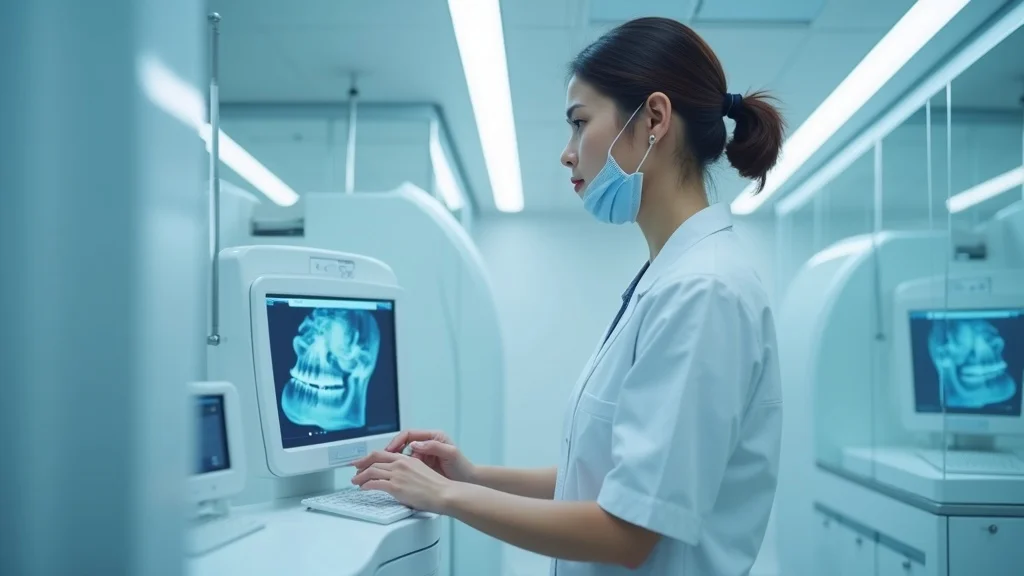
3D dental scans, commonly using Cone Beam Computed Tomography (CBCT), represent a leap forward from traditional dental x-rays. Unlike flat 2D images, these scans produce three-dimensional images of teeth, jawbones, nerve pathways, sinuses, and soft tissues with precise detail. This technology rotates around the head, capturing multiple angles that are reconstructed into a complete 3D model.
This comprehensive imaging allows dentists to see beyond the surface issues, revealing hidden pathologies and complex bite problems that traditional x-rays might miss. The ability to visualize intricate anatomical structures helps with better diagnosis, planning treatments like implants or periodontal care, and ultimately leads to better patient outcomes.
- Definition of 3D dental scans and cone beam technology
- Differences between traditional dental x-rays and 3D scans
- How 3D scans capture detailed images of teeth, bone, and soft tissues
Rodion Hasov, of Incasoft Dental Practice, explains, "We take a 3D scan of the head and neck, as well as inside the mouth, to get a comprehensive view that traditional x-rays cannot provide."
Step-by-Step Process of Using 3D Dental Scans During Comprehensive Exams
- Initial patient consultation and symptom assessment: The process begins with a thorough conversation about symptoms, including ringing in the ears, vertigo, sleep apnea, and bite issues that could indicate underlying problems.
- Performing the 3D scan and additional x-rays: Patients receive a precise 3D scan of the head, neck, and intraoral structures, complemented by traditional x-rays when necessary.
- Analyzing bite, TMJ, and related conditions using imaging: The imaging lets dentists evaluate bite alignment, temporomandibular joint (TMJ) health, and detect issues like teeth grinding or clenching.
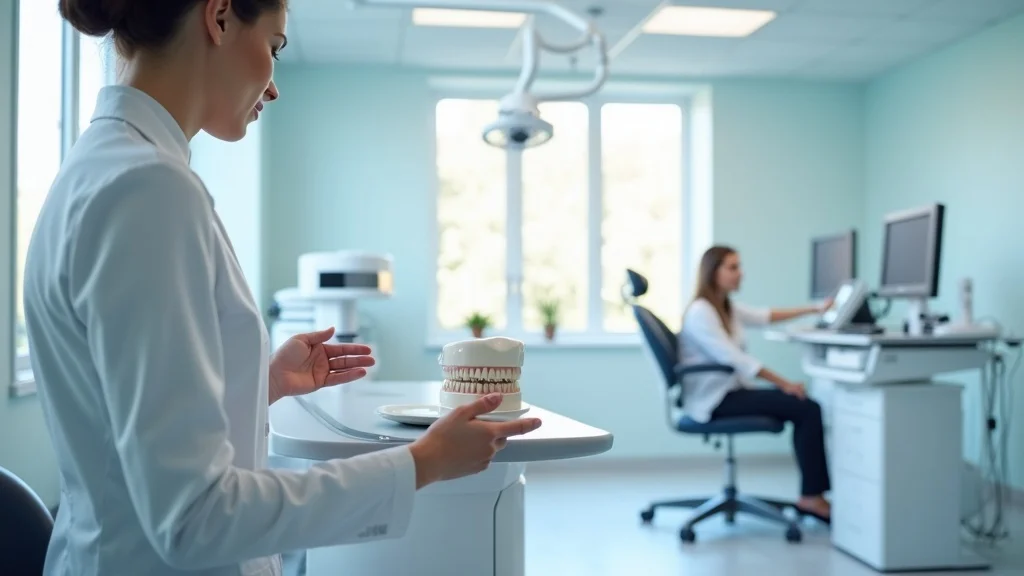
- Educating patients with visual aids and digital models: Dentists use large screens to show patients their 3D images and explain findings clearly, enhancing trust and understanding.
- Developing personalized treatment plans based on scan results: Using the wealth of data, dentists craft targeted plans addressing both current dental concerns and preventive care.
How 3D Dental Scans Improve Long-Term Oral Health
- Early detection of bite problems and TMJ disorders
- Monitoring bone quality for implant candidacy
- Tracking periodontal disease progression
- Supporting patient education and compliance between visits
By catching conditions like TMJ dysfunction or periodontal disease early, 3D dental scans enable preventive strategies that protect oral health long term. Dr. Rodion Pinkhasov emphasizes how this technology allows for ongoing monitoring: “We educate patients on what’s causing their symptoms, showing them bite issues and joint problems that might explain ringing in the ears or vertigo, which they never realized were related. ” With these insights, patients can take ownership of their dental health between appointments.
Benefits of 3D Dental Scans for Advanced Treatments and Patient Experience
Determining Candidacy for Full Arch Implants and Gum Disease Treatment
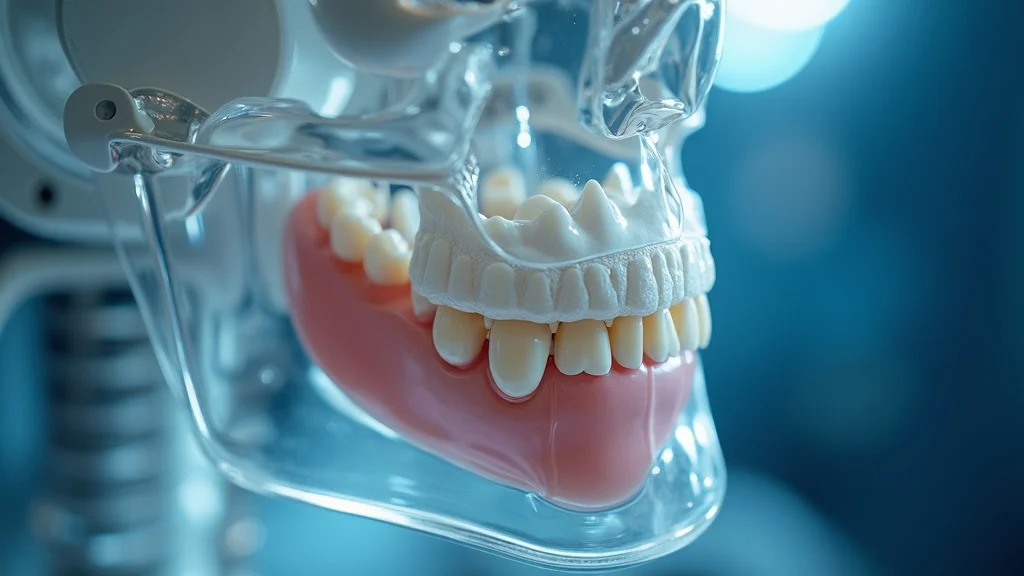
Advanced treatments like full arch implants demand precise planning. 3D dental scans provide crucial data on bone height, width, and density, as well as the exact locations of sinuses and nerve pathways. This allows dental teams to simulate implant placement virtually, minimizing risks and optimizing outcomes.
According to Rodion Hasov, "Many patients turned down elsewhere become candidates here because our advanced 3D imaging and in-house lab capabilities allow us to customize treatment precisely and efficiently."
- Assessing bone height, width, and quality with 3D imaging
- Identifying anatomical structures like sinuses and nerves
- Enabling precise implant placement simulations
- Reducing treatment risks and improving outcomes
Enhancing Patient Convenience with In-House 3D Imaging and Milling Labs
Having an in-house 3D imaging and milling lab significantly enhances patient experience. The technology speeds up turnaround times—patients can receive restorations such as crowns or implant-supported teeth in a single day. This efficiency not only improves convenience but also reduces costs, as outsourcing to third-party labs is eliminated.
Dr. Pinkhasov explains, “With everything done in-house, from scans to milling, we reduce overhead costs and can offer more affordable care without compromising quality. ” This streamlined coordination between imaging and fabrication means patients in busy regions like Southwest Florida benefit from swift, accurate treatments tailored just for them.
- Faster turnaround times for restorations and implants
- Improved customization and quality control
- Lower costs passed on to patients
- Better coordination between imaging, planning, and treatment
Addressing Dental Anxiety Through Patient Education and Environment
- Creating calming office environments inspired by spa aesthetics
- Using 3D scans and digital models to visually educate patients
- Providing detailed informational materials and software demonstrations
- Building trust and reducing fear through transparency
Dental anxiety prevents many patients from seeking essential care. Dr. Rodion Pinkhasov, who personally understands dental anxiety, has designed Naples Dental & Wellness Center to be welcoming and calming. “I’m a product of dental anxiety. From colors to lighting and music, we created an atmosphere akin to a spa to soothe patients from the moment they schedule to their treatment day,” he shares.
Moreover, using 3D scans as visual education tools demystifies complex procedures. Patients see detailed images and models, helping them understand their condition and feel in control—crucial steps in overcoming fear and promoting consistent dental care.
Rodion Hasov shares, "As someone who experienced dental anxiety myself, I designed our practice with soothing colors, lighting, and music to help patients feel relaxed from scheduling through treatment."

Frequently Asked Questions About 3D Dental Scans
How much does a 3D scan of your teeth cost?
Costs vary depending on the dental practice and region, but 3D dental scans are increasingly affordable due to in-house technology and streamlined workflows. Most patients find that the value of detailed imaging justifies the cost, especially when it leads to precise diagnoses and effective treatments.

What can a 3D dental scan show?
A 3D dental scan reveals detailed images of teeth, jawbone structure, nerve pathways, sinuses, and soft tissues. This comprehensive view supports the diagnosis of complex issues such as bite misalignment, bone loss, TMJ disorders, and periodontal disease, enabling more effective, personalized treatment planning.
What does a CBCT scan cost?
The cost of a Cone Beam Computed Tomography (CBCT) scan generally ranges higher than traditional x-rays due to advanced technology and greater detail. Pricing depends on the provider and location, but these scans often become part of comprehensive exam packages that offer better value overall.
Is a CBCT scan covered by Medicare?
Coverage for CBCT scans under Medicare varies based on medical necessity and specific policy terms. Patients should confirm benefits with their insurance provider and discuss alternatives with their dental professional.
| Scan Type | Purpose | Advantages | Typical Cost Range |
|---|---|---|---|
| Traditional X-Ray | Basic dental imaging | Low cost, quick | Low |
| 3D Dental Scan (CBCT) | Detailed 3D imaging | Comprehensive view, precise planning | Moderate to High |
Summary and Key Takeaways on 3D Dental Scans in Comprehensive Exams
- 3D dental scans provide unparalleled detail for diagnosis and treatment planning.
- They improve patient education and reduce dental anxiety by visually explaining conditions and treatments.
- Advanced imaging supports complex treatments like implants and gum disease care with precision.
- In-house labs and technology enhance convenience and lower costs for patients.
- Patients benefit from improved long-term oral health outcomes through early detection and better monitoring.
Next Steps: How to Prepare for Your 3D Dental Scan Appointment
- Discuss symptoms and dental concerns openly with your dentist before the scan.
- Understand the scanning process and what to expect during your appointment.
- Review educational materials provided by your dental practice to prepare questions.
- Follow recommended care plans based on the scan results for optimal health.
To experience the transformative benefits of 3D dental scans and comprehensive dental care, schedule a consultation with a trusted dental practice that offers advanced imaging technology. Early and accurate diagnosis leads to better treatment and a healthier smile.



Write A Comment