


Imagine walking into your dental office and leaving the same day with a completely restored smile, tailored precisely for your needs. This convenience is becoming a reality thanks to the in-house dental lab benefits that some advanced dental practices now offer. These benefits streamline processes, reduce waiting times, and enhance the overall patient experience. Dr. Rodion Pinkhasov, a leading expert at Naples Dental & Wellness Center, shares insights on how in-house dental labs revolutionize dental restorations, enabling patients to regain confidence and health faster than ever before. For more information, visit https://naplesdentalandwellness.com/
Understanding In-House Dental Lab Benefits: An Overview
Definition and role of dental labs in restorative dentistry
Difference between in-house dental labs and third-party labs
Importance of dental lab quality control in patient outcomes
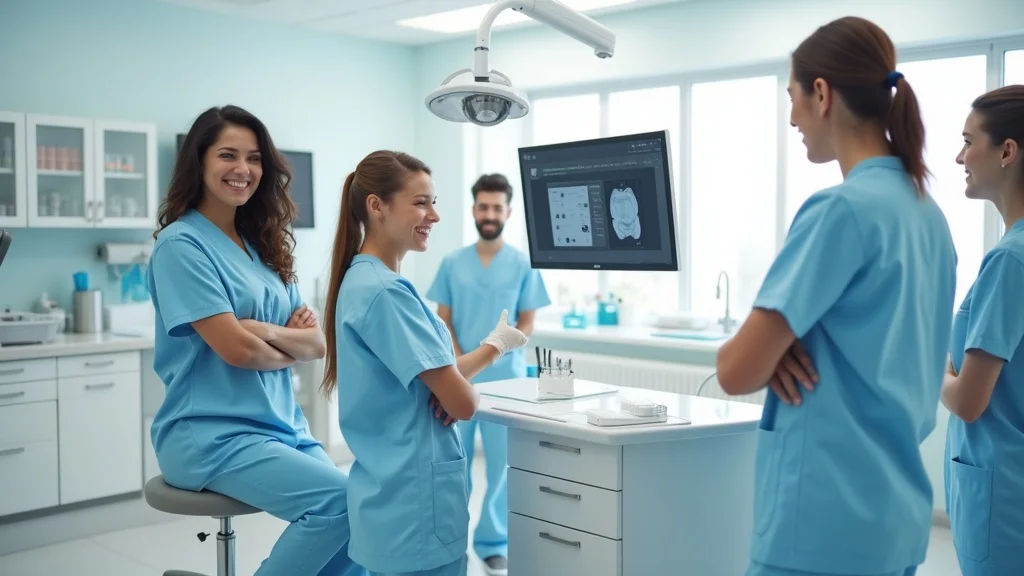
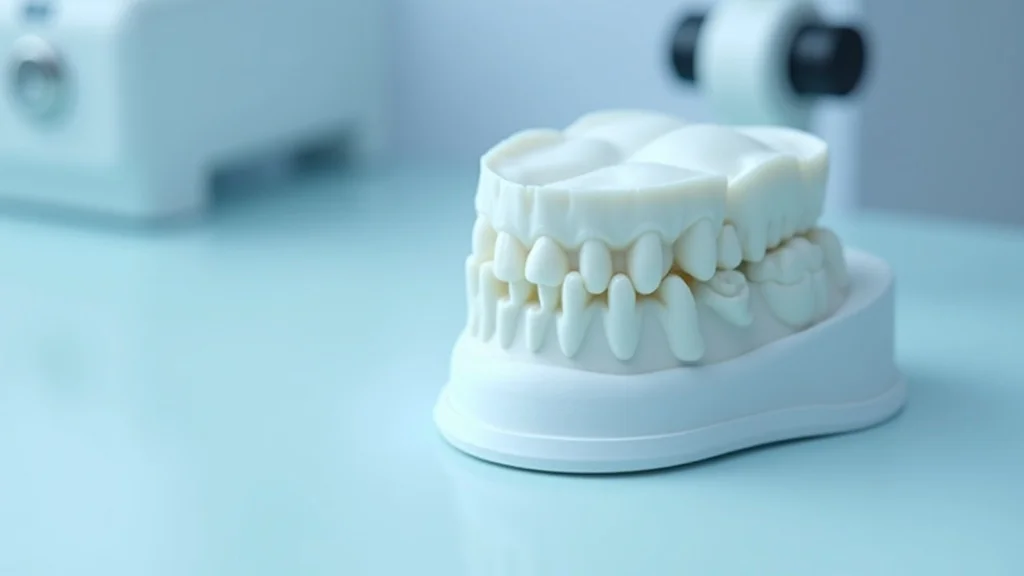
Dental labs are essential in restorative dentistry, responsible for fabricating crowns, bridges, dentures, and implants that restore function and aesthetics. Traditionally, many dental offices rely on third-party labs, sending impressions or digital scans off-site and waiting days or weeks for final restorations. In contrast, an in-house dental lab is fully integrated within the practice, allowing dentists and technicians to work side-by-side.
This proximity brings significant control over the fabrication process, ensuring quality control is meticulous and immediate. It reduces the risk of errors, miscommunication, and delays often encountered with external labs. Dr. Rodion Pinkhasov of Naples Dental & Wellness Center explains, “By having an in-house dental lab, our team maintains direct oversight of every restoration piece, so we can deliver excellent outcomes and catch any issues instantly. ” This direct control is vital for achieving optimal patient results and satisfaction.
How In-House Dental Labs Enhance Dental Restoration and Implant Procedures
Streamlined workflow from diagnosis to restoration
Advanced 3D scanning and milling technologies used in-house
Customization and precision in dental implant fabrication
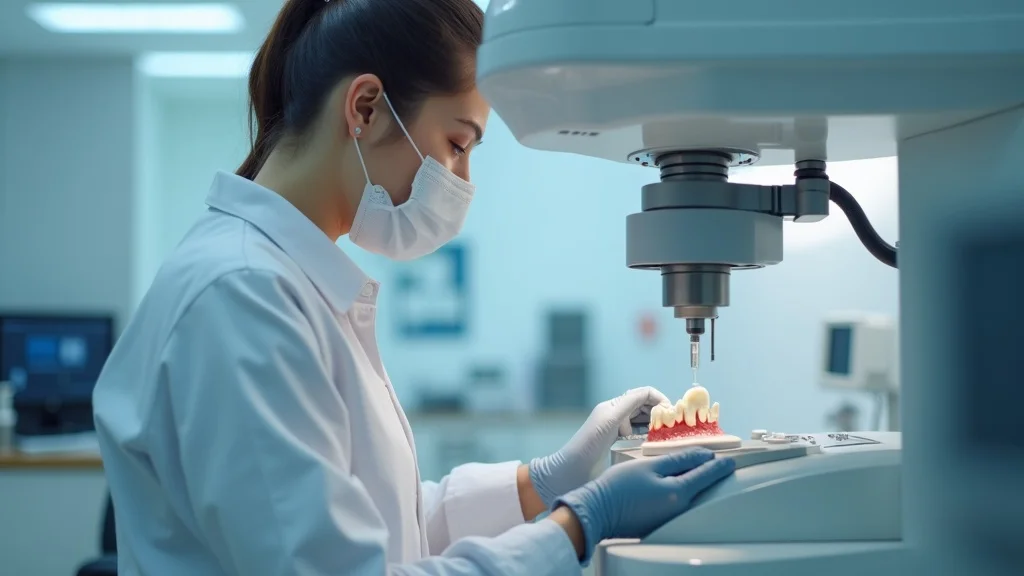
One of the greatest advantages of an in-house dental lab is the seamless workflow it creates—from comprehensive diagnosis to final restoration. Using advanced 3D scanning technology, dentists capture precise images of a patient’s mouth and bone structure. These scans provide critical data for creating perfectly fitting restorations. The process is then expedited by in-house milling machines that craft the restoration on-site.
Customization is greatly enhanced because the lab technicians collaborate directly with dentists during every step, adjusting design elements to the patient's unique anatomy. This precision fabrication is especially crucial for dental implants, where fit and integration with bone are vital to long-term success. Dr. Pinkhasov shares, “Having an in-house dental lab allows us to lower prices for patients without compromising quality, while providing faster, more customized care. ”
Quality Control Advantages in In-House Dental Labs
Direct oversight of dental restoration fabrication
Immediate adjustments and corrections to prosthetics
Enhanced communication between restorative dentists and lab technicians
Impact on Patient Care and Satisfaction
Reduced treatment times and fewer appointments
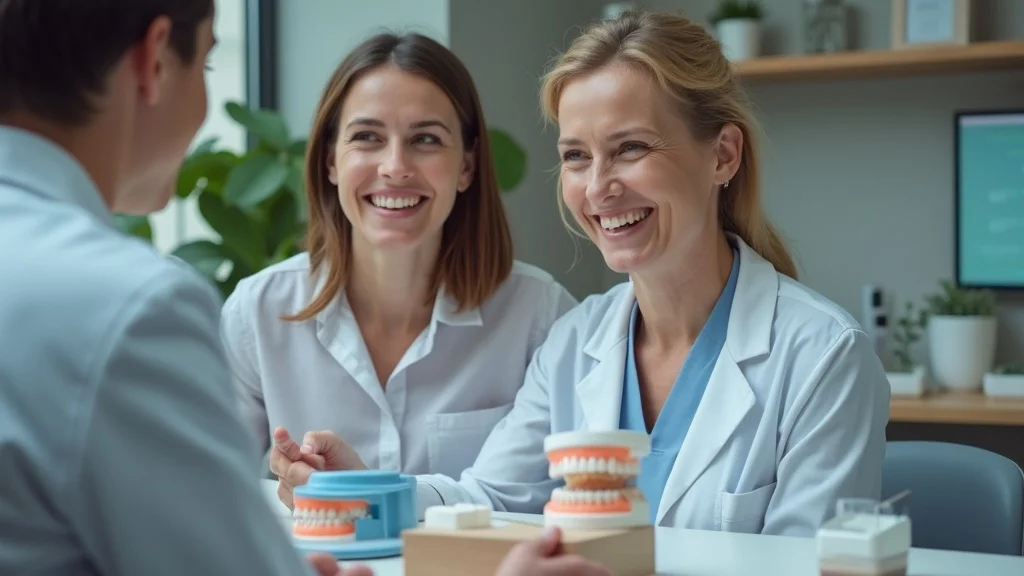
Improved patient education through visual aids and models
Higher success rates in dental implant procedures
The in-house dental lab setup enables real-time quality control. When restorations are produced on-site, any necessary modifications happen instantly, preventing repeated trips and delays. This level of oversight means restorations meet exacting standards before placement.
Additionally, communication is vastly improved. The restorative dentist can interact directly with the lab technicians, discussing adjustments based on patient feedback and clinical findings. This collaboration accelerates the ability to perfect restorations. As a result, patients experience significantly fewer visits and reduced treatment durations.
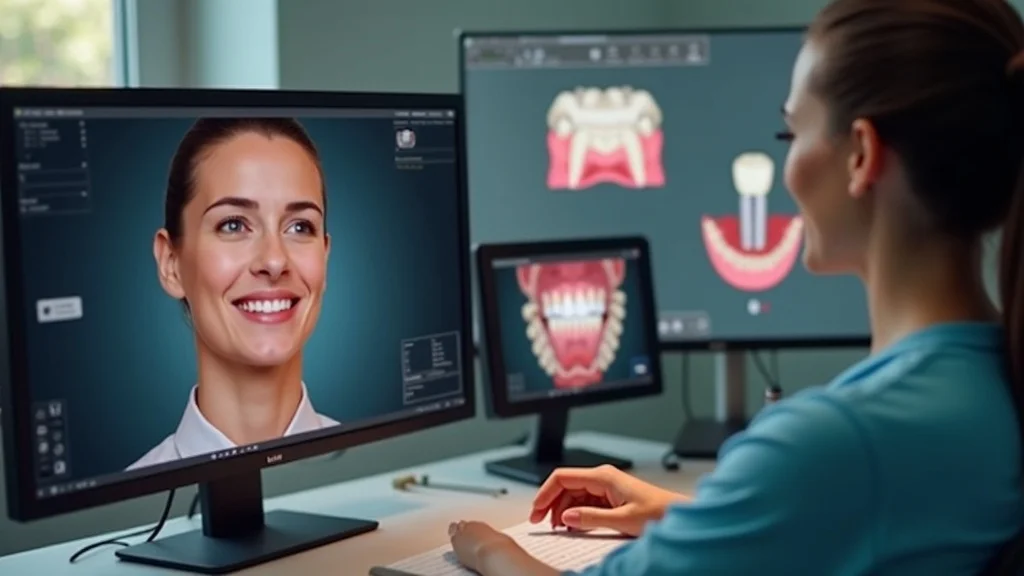
Dr. Pinkhasov notes, “Patients are often amazed when they see their treatment plan and implant placement simulated in 3D, which builds trust and reduces anxiety. ” This educational approach empowers patients to understand their treatments deeply, improving satisfaction and adherence to care plans.
Comparing In-House Dental Labs to Outsourced Dental Laboratories
Feature |
In-House Dental Lab |
Outsourced Dental Lab |
|---|---|---|
Turnaround Time |
Same-day or next-day service |
Several days to weeks |
Customization |
Highly personalized |
Standardized processes |
Cost Efficiency |
Lower overhead costs |
Higher fees due to third-party involvement |
Quality Control |
Direct supervision |
Limited oversight |
Patient Experience |
Enhanced through education and speed |
Less direct patient involvement |
Common Misconceptions About In-House Dental Labs
Myth: In-house labs compromise quality for speed
Fact: Advanced technology ensures superior precision and durability
Myth: Only large practices can afford in-house labs
Fact: Strategic investment can reduce long-term costs and improve patient outcomes
Despite their growing popularity, some still misunderstand in-house dental lab benefits. A common myth is that labs inside the practice sacrifice quality for speed. In reality, cutting-edge milling technology and rigorous quality checks provide restorations that meet or exceed external labs' durability and precision.
Another misconception is that only large dental offices can sustain the cost of an in-house lab. Dr. Pinkhasov’s practice in Southwest Florida demonstrates that, through efficient management and technological investments, even moderate-sized practices can afford to implement advanced labs. These choices ultimately save money by reducing turnaround times and increasing patient throughput without compromising care.
Actionable Tips for Patients Considering Dental Restorations
Ask if your dental office has an in-house lab and how it benefits your treatment
Request to see digital simulations or models of your restoration
Discuss the timeline and quality control measures with your dentist
Understand the role of the dental lab in your overall care plan
When exploring dental restorations, being informed is key to achieving the best outcome. Start by inquiring whether your dentist operates an in-house dental lab. This can dramatically affect your treatment's speed, convenience, and cost.
Don’t hesitate to ask for a digital simulation or physical models illustrating how your restoration will look and function. These tools not only clarify expectations but also give clues about the practice’s investment in technology.
Discuss timelines and the lab’s quality control processes to understand how your restoration will be fabricated and verified. Gaining this knowledge helps you make confident, well-informed decisions that support your oral health goals.
People Also Ask
What are the main benefits of an in-house dental lab?
In-house dental labs offer faster turnaround times, higher customization, improved quality control, and enhanced patient education. By fabricating restorations onsite, they eliminate delays and allow direct dentist-technician collaboration, resulting in better-fitting, durable dental implants and crowns.
How does an in-house dental lab affect the cost of dental implants?
Because there is no need to outsource production, the overall cost is reduced due to lower overhead. These savings often translate into more affordable treatment for patients without sacrificing quality. Dr. Rodion Pinkhasov explains that his practice passes these cost benefits directly to patients.
Are dental restorations from in-house labs as durable as those from external labs?
Yes. In-house labs utilize the same advanced milling and scanning technology found in high-end external labs, ensuring restorations meet stringent quality and durability standards. Rigorous overseen fabrication supports long-lasting dental health.
Summary of Key Takeaways
In-house dental labs significantly improve the speed and quality of dental restorations.
Direct collaboration between dentists and lab technicians enhances customization and patient education.
Patients benefit from reduced anxiety and better treatment outcomes with in-house lab services.
Investing in an in-house lab can lower costs and improve practice efficiency.
Final Thoughts on the Value of In-House Dental Lab Benefits
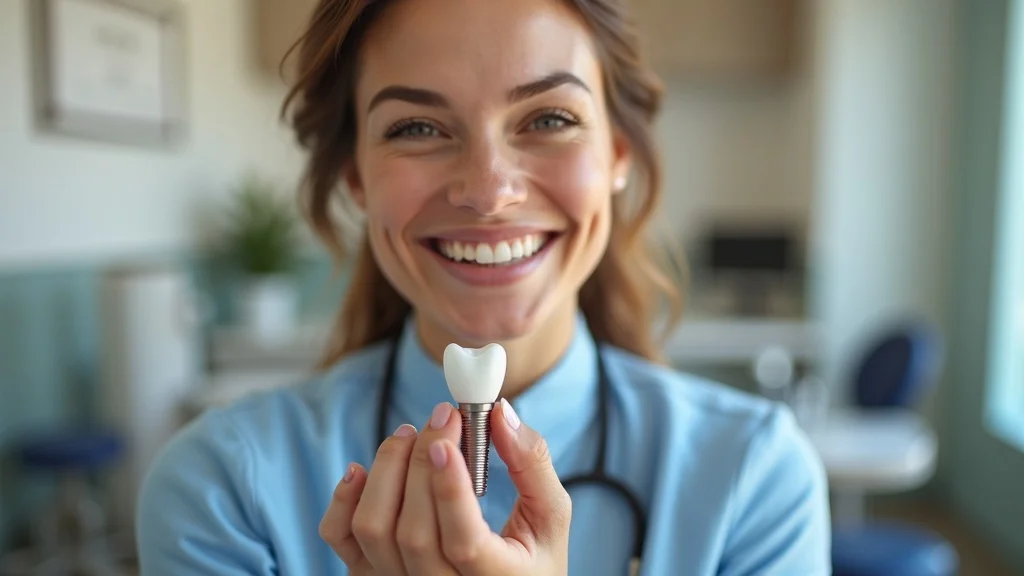
Patients seeking quicker, high-quality smile restorations should consider dental practices with in-house labs. This integration accelerates treatment, enhances customization, cuts costs, and supports superior outcomes, making it a modern standard for patient-centric dental care.
What You'll Learn
The fundamental role of dental labs in tooth restoration and implant procedures.
How having an in-house dental lab accelerates treatment timelines and improves care quality.
Quality control benefits from direct dentist-technician collaboration in in-house labs.
Practical steps patients can take to assess and maximize their dental restoration experience.
Expert Quotes
“Having an in-house dental lab allows us to lower prices for patients without compromising quality, while providing faster, more customized care.” – Dr. Rodion Pinkhasov, Naples Dental & Wellness Center
“Patients are often amazed when they see their treatment plan and implant placement simulated in 3D, which builds trust and reduces anxiety.” – Dr. Rodion Pinkhasov, Naples Dental & Wellness Center



Write A Comment