


Imagine living with frequent jaw discomfort, headaches, or unexplained ringing in your ears, only to discover these symptoms stem from a bite problem. Bite issues often go unnoticed yet can profoundly impact your overall health, including sleep apnea and temporomandibular joint (TMJ) disorders. This article delves into the essentials of bite problem treatment, exploring how dentists identify these conditions and the array of corrective options available to improve your oral and overall wellness.
Understanding Bite Problems and Their Impact on Overall Health
What Are Bite Problems? Types of Bite Problems and Misaligned Bite
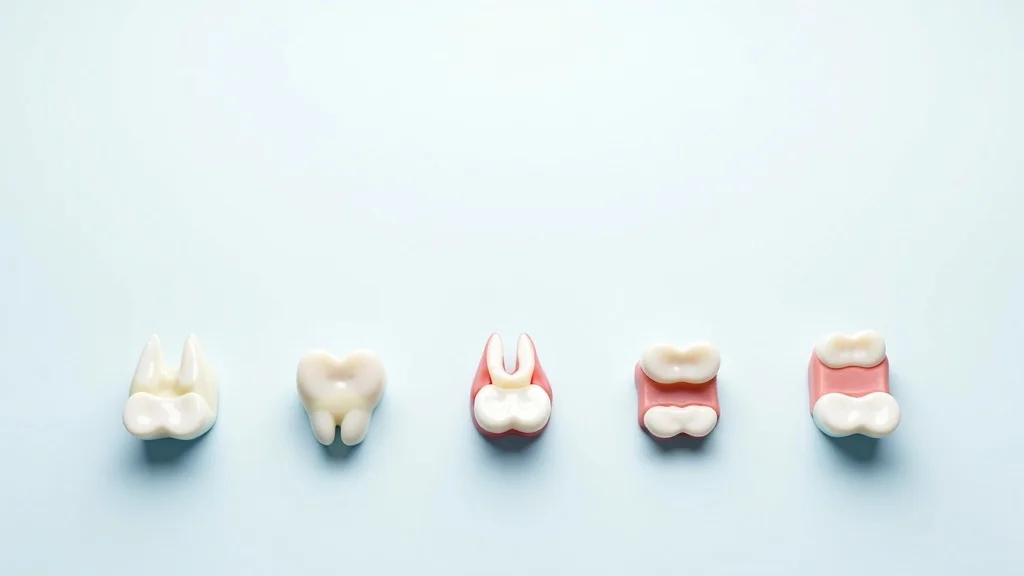
Bite problems refer to irregularities where the upper and lower teeth do not align properly upon closing the mouth. These include common types such as overbite, underbite, crossbite, and open bite. Each type involves a different form of misalignment affecting both the teeth and jaw structure. A misaligned bite not only affects dental aesthetics but can also lead to uneven tooth wear and difficulty in speaking or chewing.
For example, an overbite occurs when the upper front teeth extend significantly over the lower teeth, while an underbite happens when the lower jaw protrudes beyond the upper jaw. A crossbite involves lateral misalignment, causing upper teeth to sit inside or outside the lower teeth, and an open bite is characterized by front teeth that don’t touch when biting down. Identifying these issues early is crucial for timely intervention.
Common Symptoms and Health Issues Related to Bite Problems
Patients with bite issues often experience a spectrum of symptoms, ranging from frequent jaw pain and headaches to more severe conditions like TMJ disorders and tinnitus. Dr. Rodion Pinkhasov, of Naples Dental & Wellness Center, emphasizes, “We assess patients for signs like ringing in the ears, vertigo, and sleep apnea, all potential indicators of an underlying bite problem. ” Such symptoms can interfere with daily life and sleep quality, underscoring the necessity of comprehensive diagnosis and treatment.
Beyond physical discomfort, untreated bite problems can trigger secondary health concerns. For instance, uneven pressure may cause accelerated tooth wear, increasing susceptibility to cavities and gum disease. Moreover, misalignment can exacerbate breathing difficulties during sleep, linking bite issues to sleep apnea — a condition with serious cardiovascular implications.
Step-by-Step Process for Diagnosing Bite Problems
Comprehensive Exam Techniques: 3D Scans, X-rays, and Patient History
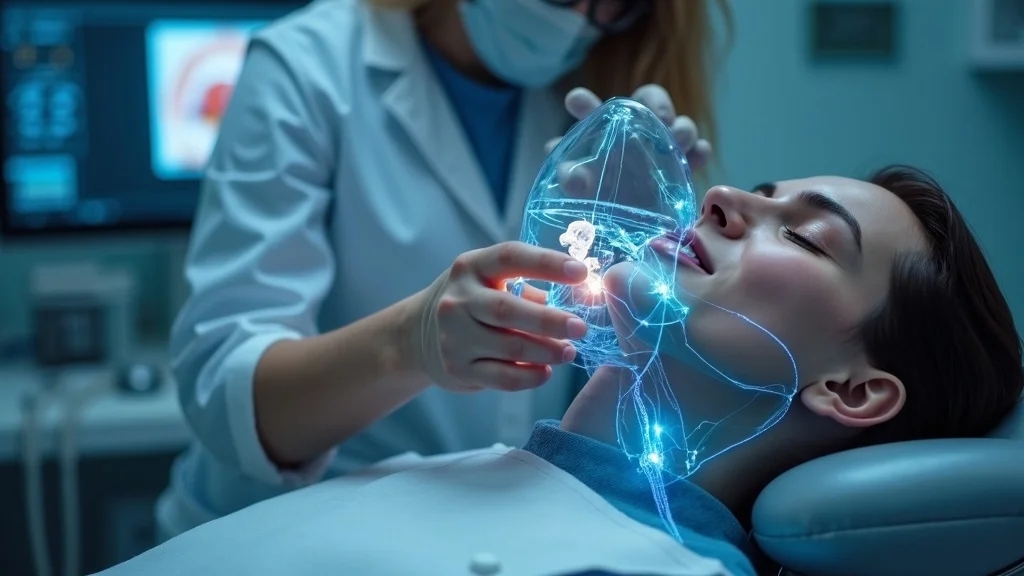
Diagnosing a bite problem requires a meticulous and technology-driven approach. At Naples Dental & Wellness Center, the examination begins with advanced imaging, including 3D scans of the head and neck, alongside detailed intraoral scans and multiple X-rays. This comprehensive imaging enables Dr. Rodion Pinkhasov and his team to assess bone quality, tooth positioning, and jaw alignment accurately.
Patient history is equally vital. Questions about symptoms such as jaw clicking, grinding, snoring, and even restless leg syndrome provide insights into potential functional bite issues. "Our process is holistic," explains Dr. Pinkhasov, "We educate patients by showing them the 3D images and explain how their bite impacts their overall health, which is often eye-opening for them. ” This transparent communication fosters patient trust and engagement in the treatment plan.
Identifying Underlying Causes: TMJ, Sleep Apnea, and Other Related Conditions
Many bite problems stem from or contribute to conditions such as TMJ disorders and sleep apnea. TMJ issues arise when misaligned bites place excessive strain on the temporomandibular joint, resulting in pain, restricted movement, or clicking sounds. Additionally, improper alignment can aggravate sleep apnea by affecting airway patency during rest.
Dr. Pinkhasov highlights, “We screen for multiple symptoms — from tinnitus to vertigo — that often correlate with bite dysfunction. Identifying these helps us tailor treatments addressing the root cause, not just the symptoms. ” Such a thorough diagnostic process ensures a more effective and lasting outcome for patients.
Bite Correction Treatment Options: From Orthodontics to Surgery
Orthodontic Treatment and Bite Alignment Solutions
For many patients, orthodontic treatments such as braces or clear aligners are primary solutions to correct bite misalignments. Clear aligners have gained popularity due to their discreet appearance and comfort. These devices gradually reposition teeth to achieve functional and aesthetic bite correction.
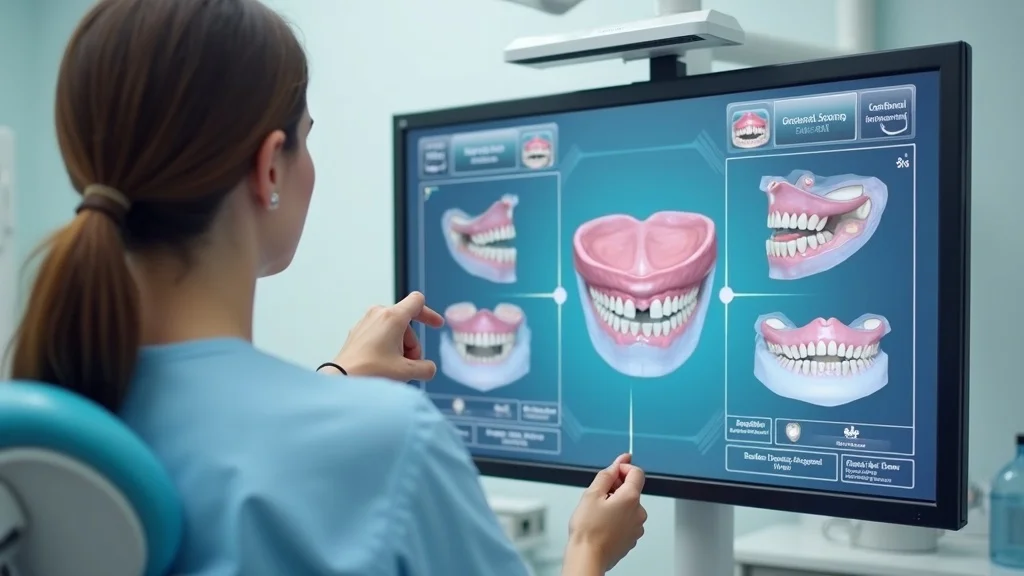
Incorporating customized orthodontics, Naples Dental & Wellness Center uses digital models to simulate bite changes, enhancing patient understanding and compliance. The practice also provides full-spectrum orthodontic care tailored to the complexity of each patient’s bite issue, enabling precise and effective correction over time.

Advanced Correction Treatments: Full Arch Implants and Jaw Surgery
In cases where bite problems are severe or involve significant tooth loss, advanced treatments like full arch implants or jaw surgery become necessary. Dr. Pinkhasov notes, “Many patients who have been turned down elsewhere due to complexity find solutions here because of our advanced diagnostics and in-house lab capabilities. ”
Full arch implants restore both function and appearance for patients with missing teeth or deteriorated jawbone. Conversely, jaw surgery can rectify misalignments affecting both upper and lower jaws, improving bite function and relieving associated health issues. These interventions require detailed planning, often using 3D imaging to map surgical and restorative steps meticulously.
When Tooth Extraction Is Necessary in Bite Problem Treatment
Sometimes, correcting a bite demands removing one or more teeth to allow for proper alignment and function. Tooth extraction may be indicated when overcrowding exists or when affected teeth cause structural imbalances. This step is carefully considered within the broader treatment plan to optimize outcomes without compromising oral health.
Dr. Pinkhasov stresses the importance of individualized care: “Every extraction is planned with the end goal of a functional, comfortable bite. We ensure patients understand why each step—extractions included—is integral to successful bite correction. ”
Expert Insights on Effective Bite Problem Treatment
Dr. Rodion Pinkhasov, of Naples Dental & Wellness Center, explains, "We take a 3D scan and educate patients by showing them their bone structure and bite issues, which helps them understand the treatment plan clearly. "
The Importance of Patient Education and Customized Treatment Plans
Patient education is a cornerstone of successful bite problem treatment. Dr. Pinkhasov and his team prioritize clear explanations using digital models, in-office demonstrations, and take-home educational materials. This empowers patients to comprehend their conditions and actively participate in their care decisions.
Customized plans adapt to each patient’s specific needs, symptoms, and lifestyle. For example, treatment for someone with TMJ-related bite issues may emphasize stabilizing the jaw, while someone with sleep apnea might require interventions to keep airways unobstructed. Such tailored approaches maximize treatment efficacy and long-term health benefits.
Managing Dental Anxiety to Improve Treatment Outcomes
Creating a Comfortable Environment for Patients with Dental Anxiety
Addressing dental anxiety is essential for ensuring consistent care and successful bite problem treatment. Dr. Pinkhasov shares his personal experience as a patient with dental anxiety shaping the design of his practice. The office environment features soothing colors, spa-like lighting, and calming music to create a welcoming atmosphere that reduces patient stress.
Such thoughtful planning extends from scheduling and paperwork through treatment delivery, helping nervous patients build trust and commit to their care regimens. "We want patients to feel relaxed, knowing their comfort is our priority," Dr. Pinkhasov remarks.

How Consistent Care Improves Long-Term Oral Health
Consistent dental visits are crucial to maintain bite correction and overall oral health. Regular check-ups allow the dental team to monitor progress, adjust treatments, and address new concerns promptly. This ongoing care significantly reduces the risk of relapse, complications, or worsening symptoms.
For anxious patients, establishing a positive routine with a supportive dental team often leads to improved compliance. As Dr. Pinkhasov notes, “When patients overcome anxiety and commit to care, they experience improvements not just in oral health but in their quality of life. ”
Maintaining Oral Health Between Visits: Tips and Educational Resources
Using Educational Content and Technology to Support Patients
Effective bite correction requires patients to maintain oral hygiene and follow preventive measures between visits. Naples Dental & Wellness Center leverages educational content such as YouTube videos and interactive software to reinforce learning. Patients can review explanations of procedures like crowns, veneers, and implants at their convenience, promoting better preparation and informed decisions.
This use of technology complements in-office education, helping patients grasp complex concepts and recognize the importance of consistent oral care. Such resources also aid in managing busy schedules by offering accessible information anytime.

Practical Tips for Maintaining Bite Correction and Oral Hygiene
Maintaining the results of bite correction treatment involves daily care: rigorous brushing and flossing, avoiding harmful habits like teeth grinding, and adhering to follow-up schedules. Patients should use protective appliances if prescribed and report any discomfort or changes immediately.
Dr. Pinkhasov advises, “Understanding how bite affects overall health motivates patients to maintain hygiene and attend appointments, ensuring lasting benefits. ” Combining education, technology, and personalized care empowers patients to protect their investment in oral health.
People Also Ask
What happens if malocclusion is left untreated?
- Untreated malocclusion can lead to TMJ disorders, tooth wear, and increased risk of periodontal disease.
- It may cause chronic pain, headaches, and difficulties in chewing or speaking.
Can I fix an overbite as an adult?
- Yes, adults can fix an overbite through orthodontic treatment, dental appliances, or surgery depending on severity.
Can overbite increase with age?
- Overbite can worsen over time if left untreated due to natural wear and changes in jaw alignment.
How to fix bite problems?
- Bite problems can be fixed through orthodontics, bite correction treatment, implants, or surgery based on diagnosis.
Summary and Key Takeaways
- Early diagnosis and comprehensive bite problem treatment improve oral and overall health.
- Advanced technology like 3D scanning enhances precision in treatment planning.
- Patient education and anxiety management are critical for successful outcomes.
- Customized treatment options including orthodontics and implants address diverse bite problems.
Final Thoughts on Bite Problem Treatment and Oral Health
Dr. Rodion Pinkhasov emphasizes, "Our goal is to provide patients with a healthy mouth and improved quality of life through advanced bite correction treatment and patient-centered care. "
Contact Naples Dental & Wellness Center to Begin Your Bite Problem Treatment Journey
- Schedule a comprehensive exam to identify your bite problems.
- Learn about personalized bite correction treatment options.
- Experience advanced dental care with in-house lab convenience.
What You'll Learn
- How bite problems impact overall health, including TMJ, tinnitus, and sleep apnea.
- Techniques for diagnosing bite problems using 3D scans and patient history.
- Available bite correction treatments, from orthodontics to advanced surgery.
- Strategies to manage dental anxiety for improved care adherence.
- Educational tools to maintain oral health between visits.
Tables
| Type of Bite Problem | Description | Common Symptoms | Treatment Options |
|---|---|---|---|
| Overbite | Upper front teeth significantly overlap lower front teeth | Jaw pain, tooth wear, speech difficulty | Orthodontics, veneers, surgery |
| Underbite | Lower jaw protrudes beyond upper jaw | Chewing problems, TMJ pain, facial asymmetry | Orthodontics, jaw surgery |
| Crossbite | One or more upper teeth bite inside lower teeth | Uneven tooth wear, gum disease risk | Orthodontics, bite correction appliances |
| Open Bite | Front teeth do not touch when biting down | Speech issues, difficulty biting | Orthodontics, habit correction, surgery |
Sources
- https://naplesdentalandwellness.com
- https://jada.ada.org/article/S0002-8177(17)30415-7/fulltext
- https://www.ncbi.nlm.nih.gov/pmc/articles/PMC5917384/
Call To Action
If you suspect a bite problem or experience jaw discomfort, don’t wait to seek help. Schedule a consultation at Naples Dental & Wellness Center today, and take the first step toward a healthier, pain-free life with expert bite problem treatment tailored to your needs.




Write A Comment