
When a hurricane passes, the storm damage to your home can be overwhelming and complex to assess. A thorough post-hurricane home damage assessment is essential not only for repairing your property but also for navigating insurance claims effectively. Homeowners who act promptly and systematically stand the best chance of protecting their investments and ensuring safety. This comprehensive guide, informed by expert insights from Charles of Admirable Home Inspections LLC, will walk you through vital steps to prepare before a hurricane, assess damage after, and document everything accurately to support your claims.
Understanding Hurricane Damage and Its Impact on Your Home
What Constitutes Hurricane Damage and Storm Damage?
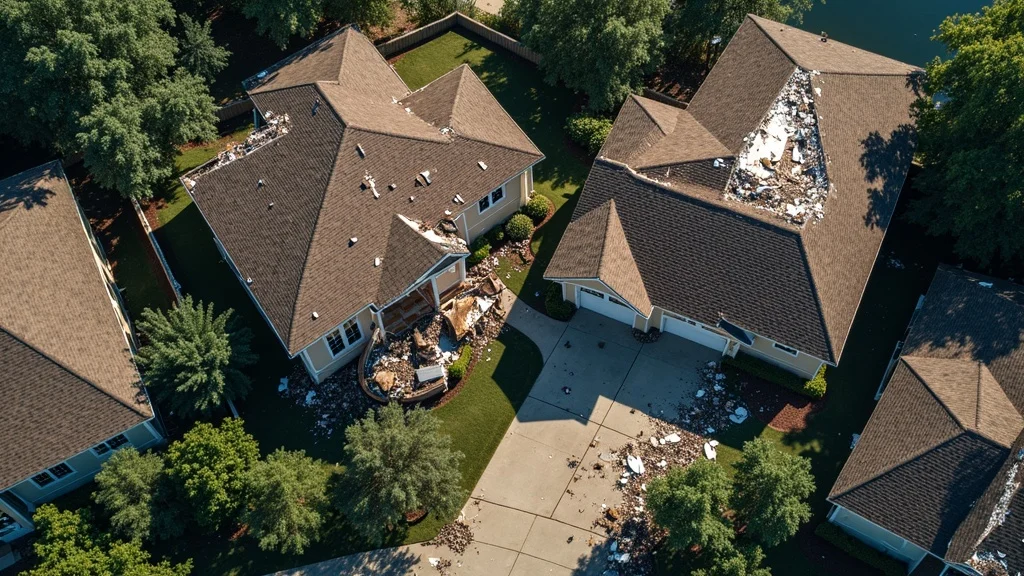
Hurricane damage refers to the various types of harm inflicted on properties as a direct result of strong winds, flooding, flying debris, and prolonged exposure to rain during a hurricane. This damage can range from minor cosmetic issues to serious structural compromises. Storm damage often includes water intrusion, broken windows, and damage to roofs and siding which weakens the home's protective envelope. Recognizing these signs early is crucial for effective recovery.
According to Charles of Admirable Home Inspections LLC, “Inspecting your home’s exterior and roof annually is a crucial step to minimizing hurricane damage. Early detection of loose shingles or damaged flashing can prevent costly repairs after the storm. ” Understanding and identifying hurricane damage helps homeowners prioritize repairs and also informs insurance adjusters during claims processing.
Common Types of Damage to Your Home After a Hurricane
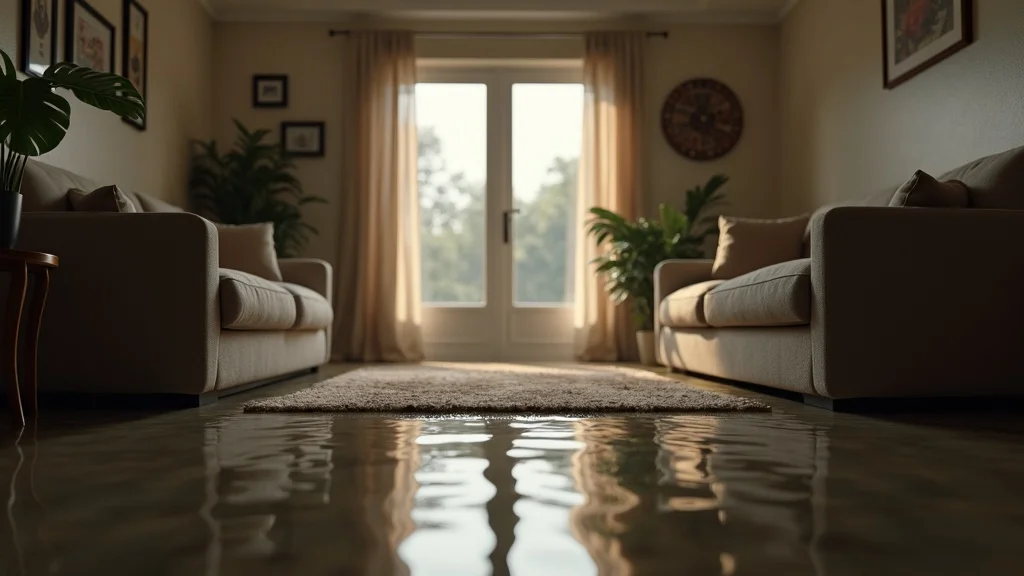
The most frequent hurricane-related injuries to homes include roof damage such as missing or broken shingles, fascia and soffit damage, and compromised flashing. Water damage inside the home, especially after flooding, often affects drywall, flooring, and electrical systems. Secondary damage such as mold growth can pose health risks if not addressed promptly.
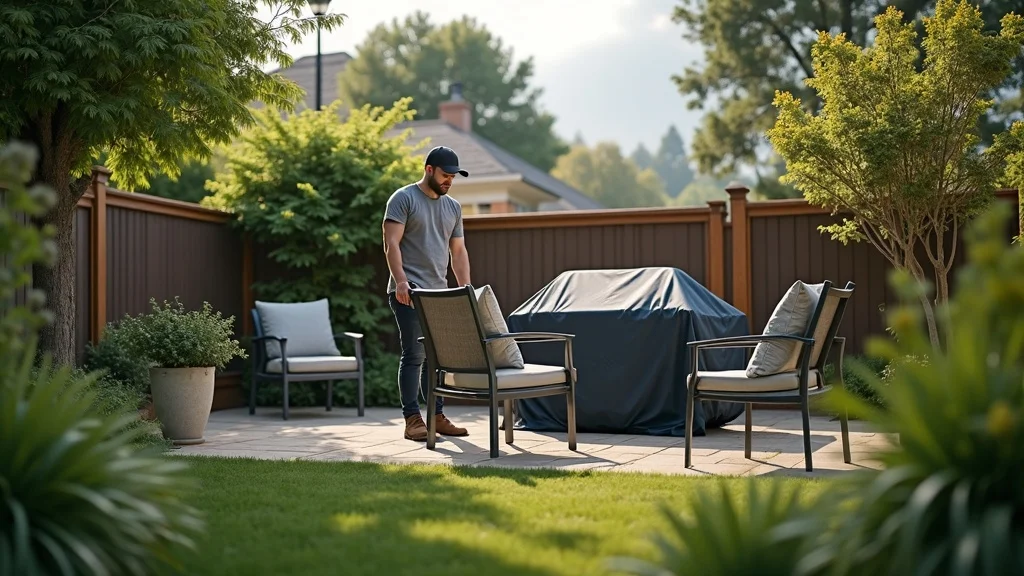
Outdoor areas also suffer, with patios, furniture, and unsecured items becoming hazards during the storm. Charles recommends taking early action on these vulnerabilities: “Securing patio furniture and outdoor items before the storm can significantly reduce the risk of property damage during hurricane events. ”
Pre-Storm Preparations to Minimize Hurricane Damage
Roof and Exterior Inspections: A Crucial Step
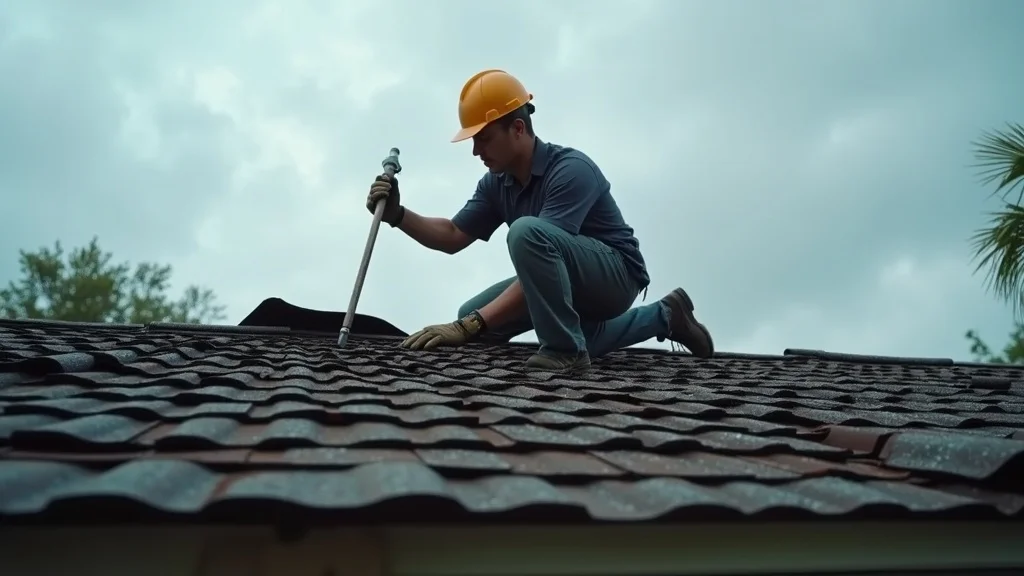
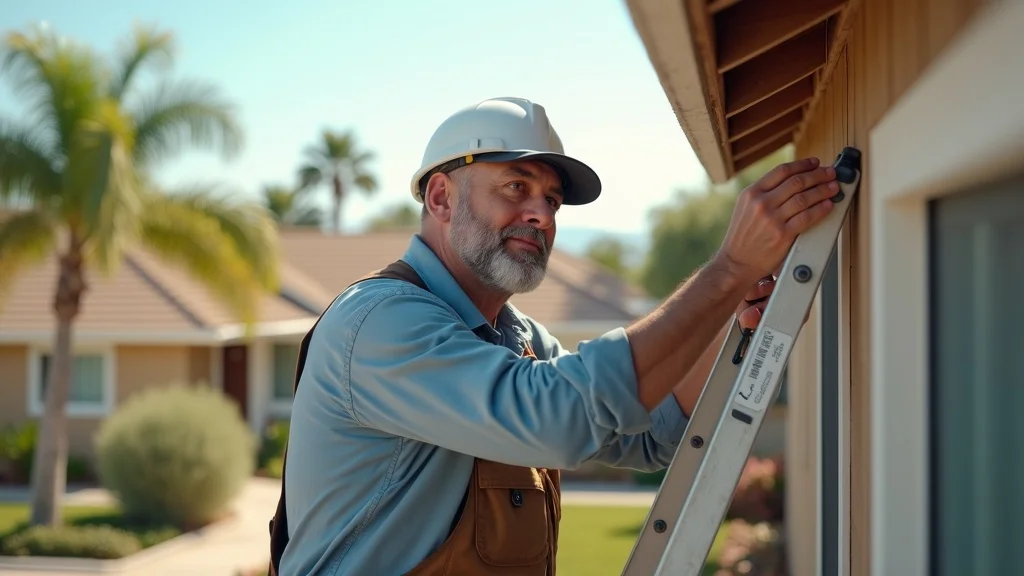
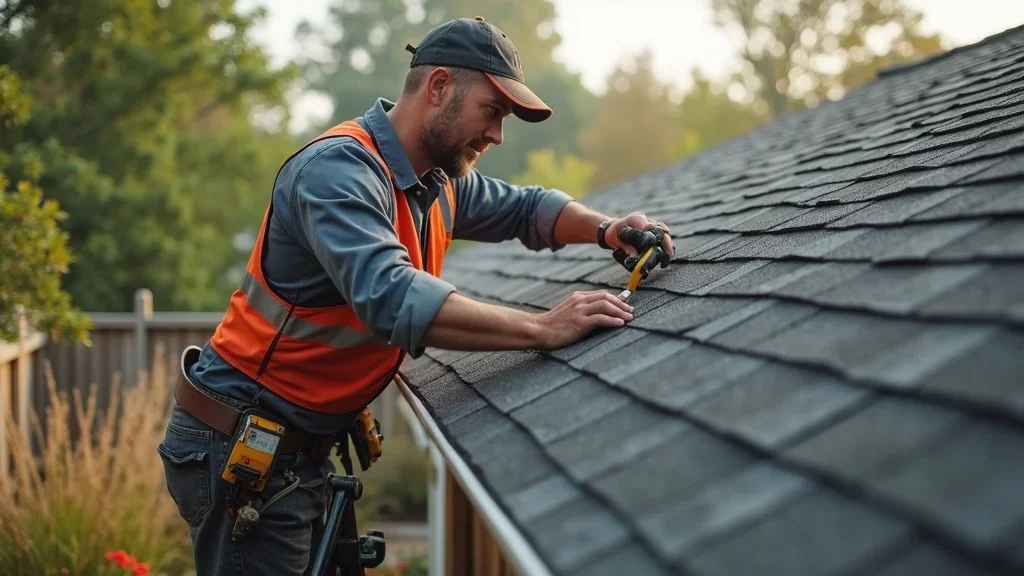
One of the best ways to prepare your home ahead of hurricane season is by conducting thorough roof and exterior inspections. Charles, of Admirable Home Inspections LLC, emphasizes, “A yearly roof inspection helps detect loose shingles or damage to soffits and fascia that could worsen during a storm. ” Timely repairs can reduce the probability of significant damage when high winds and heavy rains arrive.
Beginners trying these inspections should focus on common problem areas such as flashing around chimneys and vents, gutter conditions, and signs of wear on roof panels. This proactive approach can save thousands in repair costs and streamline insurance claims post-storm.
Securing Outdoor Areas and Essential Supplies
Preparing the outdoor areas is equally important. Patio furniture, umbrellas, and even potted plants can become dangerous projectiles in hurricane-force winds. Securing these items by tying down or storing them indoors drastically reduces the risk of damage. Charles advises homeowners, “During hurricane season, it’s critical to keep supplies on hand including drinking water, flashlights, batteries, and gasoline to ensure you’re prepared for the aftermath. ”
Maintaining an emergency kit also helps homeowners cope with power outages and disruptions caused by the storm. Remember to review your supplies annually and replace expired items before hurricane season starts.
Step-by-Step Guide to Post-Hurricane Home Damage Assessment
Immediate Actions: Safety and Initial Damage Documentation
Once the hurricane has passed and it’s safe to do so, the first step is to assess your home’s condition carefully without putting yourself at risk. Look for hazards such as downed power lines, gas leaks, or structural instability before entering your property. Charles from Admirable Home Inspections LLC advises homeowners to “immediately start taking pictures after the storm, but only once it’s safe to do so. These photos serve as the foundation for insurance claims and repair planning. ”
Prioritize areas vulnerable to severe damage such as roofs, windows, and outdoor enclosures. Document any visible tears in roofing materials or broken windows to aid in a full damage report.
Taking Photographic Evidence for Insurance Claims
Documenting damage with clear photos and videos is a critical part of the post-hurricane home damage assessment. Take wide shots capturing the extent of damage and close-ups focusing on specific issues. Charles recommends photographing all protective measures you installed beforehand, such as hurricane panels and shutters. “Taking pictures before and after the storm of all windows and openings with protections is very important for a thorough post-hurricane home damage assessment,” he says.
This photographic evidence expedites insurance investigations and supports your claim’s validity. Alongside images, maintain detailed notes describing damage location, severity, and any emergency repairs you perform immediately after the storm.
When and How to Conduct a Professional Damage Assessment
While initial homeowner assessments are valuable, professional inspections are indispensable for full damage evaluations. Professionals have the expertise to detect hidden hazards such as structural damages not visible to the untrained eye and advise on necessary repairs. Charles, operation head at Admirable Home Inspections LLC, stresses the importance of hiring experts: “I conduct wind mitigation and roof inspections to provide homeowners with an accurate understanding of their risks and needed repairs. ”
Timing for a professional inspection should be as soon as practical after initial safety checks. This helps in filing accurate insurance claims and ensures timely repairs, reducing the chance of further deterioration.
Navigating Insurance Claims After Storm Damage
Preparing Your Insurance Claim with Proper Documentation
To file an effective insurance claim, comprehensive documentation is vital. This includes photographs, videos, written damage descriptions, repair estimates, and receipts for emergency work performed. Charles of Admirable Home Inspections LLC advises, “Organize all data carefully and submit it promptly to avoid delays. Thorough paperwork is the backbone of a successful insurance claim. ”
Insurance companies depend heavily on this evidence for verification and settlement decisions. Homeowners should maintain copies of all communications and continually follow up to understand claim status.
Common Challenges in Insurance Claims for Hurricane Damage
Homeowners often face challenges such as claim denials due to insufficient proof, disputes over damage extent, and delays caused by high claim volumes post-hurricane. Familiarity with your insurance policy language and early engagement with your adjuster help navigate these hurdles.
Charles recommends staying diligent: “After the storm, take pictures and document everything before repair work begins. This ensures you have a clear, undisputed record. ” Preparing ahead by choosing an experienced inspection company like Admirable Home Inspections LLC also adds credibility to your claim.

Expert Insights on Effective Post-Hurricane Damage Assessment
Mike, of Mike's Home Inspections, emphasizes, "Taking pictures before and after the storm of all windows and openings with protections is very important for a thorough post-hurricane home damage assessment."
Recommended Inspections: Wind Mitigation and Roof Checks
Wind mitigation and roof inspections are critical evaluations to understand your home’s resilience against future storms. Charles of Admirable Home Inspections LLC underscores, “I recommend these inspections annually, especially in hurricane-prone areas, to maintain your home’s safety standards. ” These inspections identify vulnerabilities early, guiding necessary reinforcements.
Regular assessments can lead to lower insurance premiums and faster disaster recovery. Such expert inspections are vital for homeowners aiming to safeguard their property year-round.
Best Practices for Homeowners to Document and Report Damage
Consistent documentation is a best practice for any homeowner facing post-hurricane home damage assessment. Keep logs of damage with detailed photographs, videos, and written descriptions. Engage with professional inspectors promptly to validate and expand your assessments.
Charles recommends keeping all documentation in an organized manner and sharing it readily with insurance providers. “Prompt reporting and transparent communication make a world of difference when filing claims,” he says.
Common Mistakes and Misconceptions in Damage Assessment
Overlooking Minor Damage That Can Worsen Over Time
One frequent mistake is ignoring minor damage such as small leaks or marginal roof wear, which can escalate into significant issues over time. Post-storm, even seemingly minor defects merit attention and repair. Charles warns, “Delay in addressing small damages often results in costly repairs later and may complicate insurance claims. ”
Regular maintenance and careful inspections prevent overlooked damage from worsening, preserving the home's structural integrity.
Delaying Documentation and Insurance Claims
Delays in documenting damage and filing claims invite complications, including lost evidence or claim denials due to missed deadlines. Immediate documentation as soon as safety is ensured helps establish a clear timeline and factual record. Homeowners should submit claims quickly and follow up diligently.
Charles advises, “Don't wait until repairs begin or evidence fades to start your documentation. The faster you act, the stronger your insurance case. ”
Actionable Tips for Homeowners to Protect Their Property
Regular Maintenance and Annual Roof Inspections
Consistent upkeep, especially annual roof inspections, fortify your home against hurricane damage. These routine evaluations detect problems early and maintain your home’s defenses on all fronts. As Charles of Admirable Home Inspections LLC states, “Proactive maintenance reduces risks and helps homeowners stay ahead of potential storm damage. ”
Preparing Emergency Supplies and Securing Outdoor Items
A well-stocked emergency kit and secured outdoor property are last-minute steps that can mitigate risks during a storm. Store essentials like water, batteries, and cash, and firmly anchor outdoor furniture and equipment. These preparations ensure readiness in the face of sudden hurricanes and can substantially reduce damage to your home and belongings.
People Also Ask
How soon should I assess my home after a hurricane?
- Assess your home as soon as it is safe to do so, ideally within 24-48 hours after the storm.
- Prioritize safety and avoid entering severely damaged structures without professional help.
What documentation is needed for an insurance claim after hurricane damage?
- Photographs and videos of all damaged areas before and after repairs.
- Detailed written descriptions of damage and repair estimates.
- Receipts and records of any emergency repairs or mitigation efforts.
Can I perform my own hurricane damage assessment?
- Homeowners can perform initial assessments and document damage.
- Professional inspections are recommended for comprehensive evaluation and insurance purposes.
What You'll Learn
- Key steps to prepare your home before hurricane season.
- How to safely and effectively assess post-hurricane home damage.
- Best practices for documenting damage to support insurance claims.
- Expert recommendations on inspections and maintenance to reduce future risks.
| Step | Action | Purpose |
|---|---|---|
| Before Storm | Inspect roof and exterior; secure outdoor items | Minimize potential damage |
| During Storm | Install hurricane panels and shutters | Protect windows and openings |
| After Storm | Take photos; assess damage; contact professionals | Document damage for insurance and repairs |
| Post-Assessment | File insurance claims with documentation | Ensure proper compensation |
Conclusion
Mike of Mike's Home Inspections concludes, "A thorough post-hurricane home damage assessment not only helps in securing insurance claims but also ensures your home’s safety and longevity."
For More Information Call Charles at 239 980 9888
For expert guidance on post-hurricane home damage assessment and to schedule an inspection, reach out to Charles at Admirable Home Inspections LLC by calling 239-980-9888. Early consultation can make a significant difference in protecting your home’s value and ensuring a smoother insurance claim process.
Sources
- https://srmcat.com/why-srm/post-storm-damage-assessment
- https://www.pcpao.gov/how-do-i/storm-damage-faqs
- https://hometeam.com/resources/homeowner-resources/the-importance-of-storm-damage-assessments-for-h/
- https://www.acg.aaa.com/connect/blogs/4c/home/what-to-do-after-a-hurricane-assessing-damage
- https://stormdamage.com/assessing-the-aftermath-quantifying-hurricane-damage-to-residential-structures/
- https://insuranceclaimrecoverysupport.com/hurricane-damage-assessment/

Write A Comment