Cape Coral Home Improvement

  • Home
  • Categories
    • home improvement
    • bathroom renovations
    • kitchen renovations
    • landscaping services
    • roofing
    • roof repairs
    • landscaping ideas
  • All Posts
  • home improvement
  • bathroom renovations
  • kitchen renovations
  • landscaping services
  • roofing
  • roof repairs
  • landscaping ideas
July 23.2026
1 Minute Read

How to Safely Secure Your Outdoor Property During Storms

Facing the looming threat of storm season can be daunting for many homeowners. Ensuring your outdoor property is well-prepared not only safeguards your home but also provides peace of mind amid unpredictable weather. This comprehensive guide on storm preparation outdoor property equips you with practical methods and expert advice to protect your home from hurricanes and strong storms. Read on to learn how to secure your outdoor furniture, windows, and essential supplies effectively before the storm strikes.

Understanding Storm Preparation Outdoor Property: Why It Matters

  • Definition and importance of storm preparation outdoor property
  • Common risks to outdoor property during severe weather
  • Overview of storm season challenges

Storm preparation outdoor property refers to the proactive steps homeowners take to protect their external home environment from damage during severe weather. This includes securing loose items, inspecting structural components like roofs and windows, and preparing emergency resources. Proper preparation can significantly reduce costly damage and even threats to safety caused by flying debris, water intrusion, or structural failures during storms.

Outdoor properties face numerous risks during storm season. Strong winds can turn unsecured furniture, grills, or potted plants into dangerous projectiles wreaking havoc on your property or neighboring homes. Water damage from torrential rains or flooding compounds these risks, especially if gutters or roof elements are neglected. Homeowners in hurricane-prone regions face heightened vulnerability, making timely preparation essential.

The challenges of storm season include unpredictable weather conditions that test the resilience of your home's exterior. The combination of wind, rain, and debris requires a layered approach to protect outdoor property effectively. Knowing the key risks and taking proactive steps help minimize physical damage, reduce repair costs, and keep your family safe during severe weather events.

storm preparation outdoor property: suburban home with family assessing yard before storm

Preparing Your Home and Outdoor Property for Severe Weather

Inspecting and Securing Roofs, Windows, and Doors

  • Annual roof inspections focusing on loose shingles, flashing, soffits, and fascia
  • Installing and maintaining storm shutters and hurricane panels
  • Ensuring windows and doors are properly protected

One of the most critical components of storm preparation outdoor property is the condition of your roof. Charles of Admirable Home Inspections LLC emphasizes, "It's important to have your roof inspected every year and to secure all outdoor items like patio furniture and umbrellas before the storm season. " Loose shingles or damaged flashing can lead to severe water intrusion during storms, accelerating structural damage. Homeowners should schedule annual professional roof inspections focusing on critical areas like soffits and fascia to identify vulnerabilities before the storm season hits.

Equally vital is securing windows and doors with storm shutters or hurricane panels. These barriers protect against high wind pressures and prevent dangerous debris from breaking glass, which can jeopardize the home's integrity. Regular maintenance of these protective measures ensures they are functional and ready to deploy quickly when a storm approaches. Ensuring that all openings have proper protection is a pivotal step in effective storm preparation.

Securing Outdoor Furniture and Equipment

  • Removing or anchoring patio furniture, umbrellas, and potted plants
  • Storing or securing grills and outdoor appliances
  • Clearing debris and potential projectiles from outdoor areas

Unsecured outdoor furniture and equipment pose one of the most common threats during strong storms. Patio furniture, umbrellas, and lightweight decor can become airborne projectiles capable of causing extensive damage or injury. To mitigate this, homeowners should either store these items indoors or firmly anchor them in place. Charles advises, "Taking pictures of your home's exterior and protective measures before and after the storm is crucial for assessing damage and insurance claims. " Documenting your property state before securing outdoor items helps with claims and repair planning after a storm.

In addition to furniture, grills and outdoor appliances need special attention. Store them in a garage or secure them with weatherproof covers and anchoring solutions. Clearing your yard and patios of loose debris further reduces hazard risks. These preparatory steps are essential elements of a comprehensive storm preparation outdoor property plan, enhancing overall safety and minimizing damage potential.
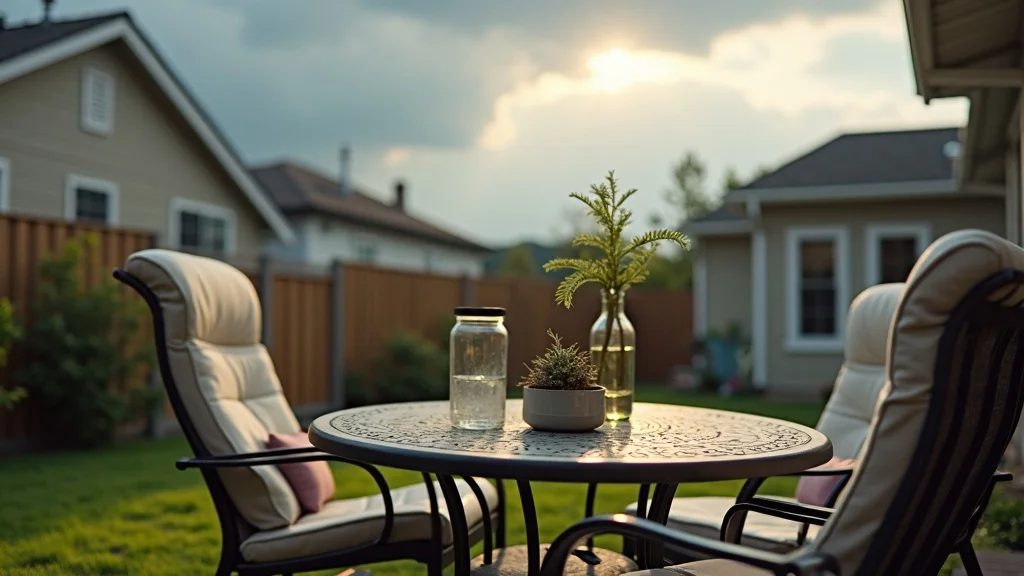
storm preparation outdoor property: securing patio furniture before storm

Essential Supplies and Emergency Response Planning for Storm Season

  • Stocking drinking water, flashlights, batteries, and gasoline
  • Preparing emergency cash and important documents
  • Developing an emergency response plan for your household

Effective storm preparation outdoor property extends beyond securing physical assets to include preparedness with essential supplies and an emergency plan. Stocking an adequate supply of drinking water, flashlights, and fresh batteries is crucial in the event of power outages or contaminated water sources. Additionally, gasoline reserves for generators or vehicles can be lifesaving when fuel stations are inaccessible during or after storms.

Homeowners should also prepare emergency cash and safeguard important documents, preferably in waterproof containers. Establishing a clear emergency response plan for your household ensures everyone knows evacuation routes, emergency contacts, and safe locations. Being organized with both your outdoor property and emergency resources is key to a well-rounded storm preparation strategy.
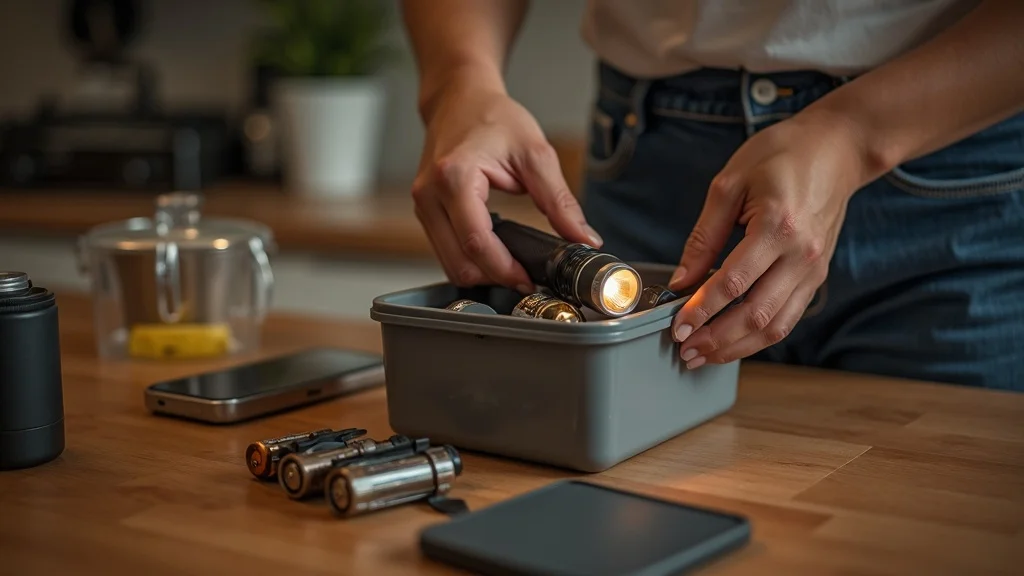
storm preparation outdoor property: assembling emergency supply kit with flashlights and batteries

Expert Insights on Storm Preparation Outdoor Property

Charles, a licensed home inspector with Admirable Home Inspections LLC, emphasizes, "It's important to have your roof inspected every year and to secure all outdoor items like patio furniture and umbrellas before the storm season. "

According to Charles of Admirable Home Inspections LLC, "Taking pictures of your home's exterior and protective measures before and after the storm is crucial for assessing damage and insurance claims. "

Common Mistakes in Storm Preparation Outdoor Property and How to Avoid Them

  • Neglecting roof and window inspections
  • Failing to secure or remove outdoor items
  • Not documenting property condition before storms

Many homeowners overlook vital preparations, leading to preventable storm damage. Neglecting timely roof and window inspections leaves structural weaknesses unaddressed, increasing vulnerability. Ignoring the need to secure outdoor items results in scattered debris and potential injury during high winds. Equally critical is the failure to document your property's condition before storms, complicating insurance claims and damage assessment.

To avoid these mistakes, schedule annual inspections, systematically secure or store outdoor belongings, and photograph your property with all protective measures in place. These simple yet powerful steps significantly enhance your home's resilience and streamline recovery post-storm.

Actionable Tips for Effective Storm Preparation Outdoor Property

  • Schedule wind mitigation and roof inspections annually
  • Use storm shutters and hurricane panels on windows and doors
  • Create a checklist for securing outdoor property before storms
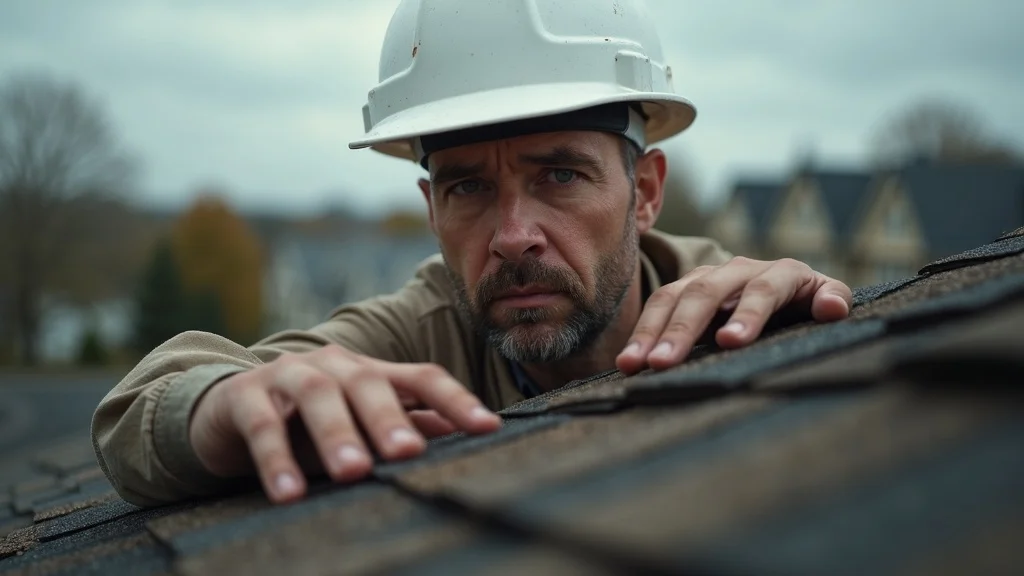
storm preparation outdoor property: home inspector inspecting roof shingles

To implement robust storm preparation outdoor property, develop an annual checklist combining professional inspections and hands-on securing of outdoor areas. Wind mitigation inspections identify structural weaknesses that can be fortified before storms arrive. Use storm shutters or hurricane panels on windows and doors for additional protection.

Crafting a personalized checklist encourages consistency in your storm prep, ensuring no detail is overlooked. Update it annually based on past experiences and evolving weather threats. Following these tips helps homeowners safeguard their property effectively and maintain safety.

People Also Ask About Storm Preparation Outdoor Property

How do you prep your house for a storm?

  • Inspect roof and secure loose shingles
  • Install storm shutters or panels on windows and doors
  • Secure or store outdoor furniture and equipment
  • Stock emergency supplies and prepare an evacuation plan

storm preparation outdoor property: family working together to close storm shutters

What are the 5 P's of preparedness?

  • Proper Planning Prevents Poor Performance
  • Emphasizes the importance of preparation in storm readiness

What should I stock up on before a snow storm?

  • Drinking water, non-perishable food, flashlights, batteries
  • Warm clothing and blankets
  • Fuel for heating and transportation

storm preparation outdoor property: packing warm blankets and bottled water into emergency storage

How can I prepare my home for strong winds?

  • Reinforce windows and doors with storm shutters
  • Secure roof components and inspect for vulnerabilities
  • Remove or anchor outdoor items that could become projectiles

Key Takeaways for Storm Preparation Outdoor Property

  • Regular inspections and maintenance are vital to protect your home
  • Securing outdoor property reduces damage and hazards during storms
  • Documenting property condition aids in damage assessment and insurance
  • Expert advice recommends wind mitigation and roof inspections annually
Preparation Step Description Recommended Timing
Roof Inspection Check for loose shingles, flashing, and structural integrity Annually before storm season
Outdoor Furniture Securing Remove or anchor all outdoor items Before storm season and as storms approach
Emergency Supplies Stock water, batteries, flashlights, and fuel Before storm season
Documentation Take photos of property and protective measures Before and after storms

Conclusion: Stay Prepared and Protect Your Outdoor Property

  • Storm preparation outdoor property is essential for minimizing damage
  • Following expert recommendations ensures safety and peace of mind
  • Regular maintenance and emergency planning are key to effective preparedness

Charles advises, "Being proactive with inspections and securing your outdoor property can save you from costly repairs and ensure your family's safety during severe weather. "

Contact for More Information

  • For More Information Call Charles at 239 980 9888

For personalized advice on storm preparation outdoor property or scheduling your roof and wind mitigation inspections, contact Charles of Admirable Home Inspections LLC at 239-980-9888. His expert insights and dedicated service can guide you through preparing your home to withstand the toughest storms.

What You'll Learn

  • How to assess and prepare your roof, windows, and doors against storms
  • Ways to secure outdoor furniture and remove potential hazards
  • Essential emergency supplies and planning for storm season
  • Expert tips to avoid common preparation mistakes
  • How documenting property protects you during insurance claims

Sources

  • https://www.la-law.org/weathering-the-storm-disaster-tips/
  • https://www.ncdoi.gov/consumers/disaster/how-prepare-storm
  • https://www.nahb.org/other/consumer-resources/protect-your-home-from-severe-weather
  • https://www.nationwide.com/lc/resources/emergency-preparedness/articles/storm-proof-house
  • https://campfs.com/winter-storm-preparedness-checklist/
  • https://www.weather.gov/ind/preparedness
home improvement

0 Views

0 Comments

Write A Comment

*
*
Please complete the captcha to submit your comment.
Related Posts All Posts
07.23.2026

Essential Home Inspection Tips Before Hurricane Season

As hurricane season approaches, preparing your home is not just smart—it's essential for protecting your family and property. A home inspection before hurricane season ensures your residence can withstand severe weather, minimizing damage and providing peace of mind. This comprehensive guide offers detailed tips and expert advice to help homeowners prioritize critical inspections and maintenance before the storm hits.Understanding the Importance of Home Inspection Before Hurricane SeasonWhat Is a Home Inspection Before Hurricane and Why It MattersA home inspection before hurricane season is a focused evaluation of your home’s structural and exterior integrity to identify vulnerabilities that could lead to storm damage. This inspection commonly includes checking the roof, soffits, fascia, windows, doors, and other exterior features to ensure they are secure and intact. Given Florida's exposure to tropical storms and hurricanes, such inspections are vital to avoid costly damages caused by leaks, wind penetration, or flying debris.Installing protective measures and performing regular maintenance based on inspection findings significantly enhance home safety during high winds and heavy rains. Homeowners gain clarity about weak spots that need repair, ensuring effective preparation. Thus, a thorough inspection sets the foundation for hurricane preparedness, reducing risks and potential insurance claims post-storm.Expert Insight: From Charles With Admirable Home Inspections LLC "It's crucial to inspect your home's exterior annually, especially the roof, to check for loose shingles and flashing issues before hurricane season," explains Charles from Admirable Home Inspections LCC at 239-980-9888.Charles elaborates that ongoing vigilance—such as yearly roof checks and monitoring soffits and fascia—plays a pivotal role in storm readiness. According to him, these proactive steps not only safeguard the structural integrity of the home but also protect families from unexpected damage during unpredictable weather events.Key Steps for Hurricane Prep: Preparing Your Home for the StormExterior Home Inspection: Roof, Soffits, Fascia, and MoreEnsuring your home’s exterior withstands hurricane conditions starts with a meticulous inspection of key components such as the roof, soffits, and fascia. The roof acts as the primary shield against rain and wind; loose shingles or damaged flashing can create entry points for water infiltration and wind damage. Likewise, soffits and fascia, often overlooked, play crucial roles in ventilation and structural support and must be free of wear or rot.Homeowners should schedule an annual inspection to detect and remedy these vulnerable areas before storms arrive. Charles of Admirable Home Inspections LLC advises that early detection prevents costly repairs and contributes to overall home resilience. Maintaining these elements helps mitigate roof leaks and structural failures often caused by heavy rain and strong winds.Securing Outdoor Areas and Essential Supplies for Hurricane PreparednessPreparing for hurricane season also involves securing outdoor spaces and stocking essential supplies for emergency situations. Loose patio furniture, umbrellas, and plants can become dangerous projectiles in high winds, risking damage and injury. It's imperative to store or secure these items safely prior to the first signs of the storm.Moreover, homeowners should maintain a supply of critical items such as drinking water, flashlights, batteries, gasoline, and emergency cash. These supplies support safety and convenience during power outages or evacuations. Regular review of your emergency kit and securing your outdoor space complement the structural inspections for comprehensive preparedness.Inspect roof for loose shingles and damaged flashingCheck soffits and fascia for wearSecure patio furniture, umbrellas, and plantsStock up on drinking water, flashlights, batteries, and gasolineWind Mitigation Inspection: A Critical Component of Home Inspection Before HurricaneWhat Is Wind Mitigation and How It Protects Your HomeWind mitigation is a specialized inspection that evaluates structural features designed to reduce wind damage during hurricanes. It focuses on elements like window protections, reinforced doors, roof attachments, and other fortifications that diminish the impact of strong winds on a home’s envelope.This inspection identifies improvements that can help shield your property from flying debris and uplift forces caused by high-speed winds. In addition to enhancing safety, homes with superior wind mitigation features often qualify for lower insurance premiums, yielding financial benefits alongside protection.Benefits of a Wind Mitigation Inspection According to Charles from Admirable Home Inspections "I highly recommend a wind mitigation inspection as part of your hurricane prep to reduce damage and potentially lower insurance premiums," says Charles.Charles emphasizes that this inspection is an investment in both security and savings. By uncovering weaknesses in the home’s wind resistance, homeowners can act proactively to reinforce vulnerable points and mitigate risk effectively. He advises scheduling wind mitigation inspections every few years to keep protections up to date with current standards and weather conditions.Post-Storm Actions: Assessing Damage and Documenting for InsuranceImmediate Steps After the Hurricane PassesOnce the storm has subsided, the prompt assessment of damage is crucial. Homeowners should carefully survey their property for structural harm, water intrusion, and other issues. Immediate action helps prevent escalating damage and expedites insurance claims processing.Safety should be the first priority when inspecting storm effects. Avoid entering unsafe areas and use protective gear when necessary. Documenting damages thoroughly with clear photographs and written notes assists both the insurer and your home inspector in evaluating repairs.Importance of Taking Pre- and Post-Storm PhotographsDocumenting your home’s condition before and after a hurricane through photographs is an essential practice to protect your investment. Photos taken before the storm should include all windows, doors, and protective panels installed. These serve as proof of preventive measures taken.After the hurricane, immediately photograph any damage to walls, roofing, exterior structures, and landscaping. This record supports insurance claims and enables your home inspector to provide detailed reports for repairs. Timely documentation expedites recovery and reduces disputes over damage origins.Take photos of all windows and openings with hurricane panels installed before the stormDocument any damage immediately after the stormContact your home inspector or insurance provider promptlyCommon Questions About Home Inspection Before Hurricane SeasonWhat Is the Biggest Red Flag in a Home Inspection?The most significant warning sign during a home inspection before hurricane season is compromised roofing components such as loose or missing shingles and cracked flashing. These flaws expose the interior to wind and water damage, making them critical to address immediately.How Do I Prepare My House for a Hurricane?Preparation involves securing the roof and exterior, installing hurricane panels, clearing loose items from outdoor areas, and stocking emergency supplies. Equally important is conducting a professional home inspection that identifies vulnerabilities and recommends repairs or upgrades for wind mitigation.What Is Not Checked During a Home Inspection?Typically, routine inspections do not cover interiors of chimneys, septic systems, or the presence of pests such as rodents or termites unless specifically requested. Additionally, severe structural elements beyond 4,000 square feet or commercial properties are often excluded.What to Expect from a Home Inspection in Florida?In Florida, home inspections before hurricane season focus heavily on exterior and wind-related vulnerabilities. Inspections usually include roof condition, window integrity, door security, and recommendations for hurricane shutters or panels, ensuring compliance with local storm codes and insurance requirements.Additional Tips and Best Practices for Hurricane PreparednessHome Improvements That Enhance Hurricane ResistanceSeveral upgrades can significantly bolster your home’s ability to withstand hurricanes. Installation of hurricane panels, reinforcing garage doors, upgrading window systems to impact-resistant glass, and strengthening roof attachments are among the most effective improvements.Charles, of Admirable Home Inspections LLC, recommends reviewing these options during your inspection consultations. These enhancements not only improve safety but can lead to insurance discounts and increased home value, making them wise investments before hurricane season.Understanding Insurance Policies and Their Relation to Home InspectionHome ImprovementBenefitRecommended FrequencyRoof Inspection and RepairPrevents leaks and structural damageAnnuallyWind Mitigation InspectionReduces wind damage and insurance costsEvery 3-5 yearsInstallation of Hurricane PanelsProtects windows and openingsBefore hurricane seasonDrainage System MaintenancePrevents flooding and water damageBiannuallyUnderstanding how your insurance company views these improvements is crucial. Many insurers offer premium discounts for documented wind mitigation features verified through professional inspections. Coordination between your home inspection provider and insurance agent can maximize your coverage benefits.Customer Support and Contact Information for Home Inspection ServicesHow to Reach Your Home Inspector"I answer my phone almost all day until 9 o'clock at night to ensure homeowners get the support they need," Mike, WIN Home Inspection.For expert home inspection before hurricane season, Charles of Admirable Home Inspections LLC offers personalized services for thorough roof, wind mitigation, and full exterior assessments. Homeowners can easily reach him by phone at 239-980-9888 for consultations, scheduling inspections, or emergency guidance.Summary and Final Recommendations for Home Inspection Before Hurricane SeasonSchedule annual roof and wind mitigation inspectionsSecure outdoor items and install hurricane panels before the seasonDocument your home’s condition with photos before and after stormsKeep emergency supplies ready and maintain communication with your home inspectorFor more detailed assistance and expert home inspection before hurricane guidance, call Charles at 239-980-9888.FAQsWhat is the biggest red flag in a home inspection?The biggest red flag is damaged or loose roofing components such as shingles and flashing, which can lead to leaks and wind damage during a hurricane.How do I prepare my house for a hurricane?Prepare by securing outdoor furniture, installing hurricane panels, stocking emergency supplies, and conducting thorough home inspections focused on roof and wind mitigation.What is not checked during a home inspection?Inspections typically exclude commercial properties, homes over 4,000 square feet, septic systems, chimneys, and pest infestations unless specifically requested.What to expect from a home inspection in Florida?Expect a detailed assessment of exterior components vulnerable to hurricanes such as roof condition, wind mitigation features, windows, and doors, with recommendations tailored to local weather risks.Sourceshttps://www.hurricanehomeinspections.net/https://www.nachi.org/hurricane-resources.htmhttps://www.fullcirclehomeinspectors.com/post-hurricane-inspectionhttps://wini.com/articles/essential-hurricane-prep-list/http://www.yellowfinconstruction.com/https://superinspectionpros.com/blog/the-new-homeowners-hurricane-playbook-how-to-plan-ahead/

06.21.2026

Understanding Lifetime Transferable Warranties on Garage Floor Coatings

Imagine investing in a sleek, durable garage floor coating with a promise that it will withstand wear and tear for a lifetime, and not just for you but for the next homeowner as well. A garage floor coating warranty that offers lifetime transferable protection adds considerable peace of mind and value. In this article, you will learn how such warranties work, what they typically cover, and why they are a crucial factor when upgrading your garage floor. Introduction: Why a Garage Floor Coating Warranty Matters When investing in a garage floor coating, many homeowners focus primarily on appearance and initial cost. However, understanding the durability and longevity of the coating—and how the warranty supports this—should be a top priority. A garage floor coating warranty protects your investment by guaranteeing the performance and adhesion of the coating over time. This assurance can make the difference between a short-lived upgrade and a long-term enhancement that improves property value. According to Cole of XFactor Coatings SWFL, “We pride ourselves on the super high quality prep work and a warranty that backs the durability of our system. ” This highlights the importance of quality preparation combined with a solid warranty as a cornerstone of dependable garage floor coatings. What Is a Garage Floor Coating Warranty? A garage floor coating warranty is a formal agreement provided by manufacturers or installers that guarantees certain aspects of the floor coating’s performance over a defined period. It typically covers issues related to adhesion, peeling, chipping, and discoloration, ensuring homeowners can trust their investment. Limited Warranty vs. Lifetime Warranty Limited warranties usually last from 5 to 10 years and provide coverage primarily for peeling or adhesion failures. While they offer some protection, their limitations mean homeowners might encounter uncovered issues as time progresses. In contrast, lifetime warranties cover the lifespan of the coating itself. Not only do they guarantee adhesion and prevent peeling and chipping, but many also include transferability to new homeowners, which increases the property's resale value. Key Features of a High-Quality Garage Floor Coating Warranty Coverage of adhesion loss between concrete and coating Transferability to new homeowners Protection against peeling, chipping, and discoloration Inclusion of repair services for floor imperfections Benefits of Choosing a Garage Floor Coating with a Lifetime Warranty Safety and Durability Advantages A coating backed by a lifetime warranty offers unparalleled safety, especially in climates where moisture and humidity can cause slick surfaces. The anti-skid texture found in high-quality coatings prevents slips, which is particularly important for elderly homeowners or families with children. This texture also maintains its durability longer, resisting wear from vehicles, tools, and foot traffic. Cole from XFactor Coatings SWFL notes, "The benefits to a coating system like what we install is that it's anti-skid, so if there's standing water on the floor, there’s not going to be any kind of slip threat. " This benefit alone can be a compelling reason for many homeowners to invest in a system with a lifetime warranty. Common Issues Covered by Garage Floor Coating Warranties The most frequent problems that garage floor coating warranties cover include loss of adhesion where the coating separates from the concrete, peeling under vehicle tires or heavy foot traffic, chipping caused by mechanical impacts, and discoloration from UV exposure or staining. These issues, if left unaddressed, can not only degrade the garage’s appearance but also compromise safety and function. Expert Advice for Homeowners Considering Garage Floor Coatings Homeowners should prioritize coatings that come with a detailed, documented garage floor coating warranty that includes lifetime and transferable benefits. Ensuring thorough preparation of the concrete surface before coating application is equally critical to prevent future problems. Cole emphasizes, “There’s a lot of prep work that goes into the installation to the concrete… We pride ourselves on the super high quality prep work. ” He advises that restoration of cracks, gouges, and imperfections on the concrete prior to coating is essential for the warranty to be effective. Additionally, choosing a company experienced in both residential and commercial applications can widen the support and expertise available, ensuring homeowners receive a professionally installed coating with lasting value. People Also Ask How long do garage floor coatings last? Garage floor coatings can last anywhere from 5 to over 20 years depending on the product quality, installation process, and environmental conditions. Lifetime warranties often promise coverage for the coating's entire lifespan if properly maintained. How much does it cost to epoxy a 20x20 garage floor? The cost typically ranges between $1,500 and $4,000 depending on the quality of epoxy, preparation needs, and labor. Prices increase if floor restoration or extensive preparation is required. What are the common problems with concrete coatings? Common issues include peeling, chipping, loss of adhesion, bubbling, discoloration, and cracking of the underlying concrete slab. These problems are often related to poor surface preparation or exposure to harsh conditions. What happens to epoxy floors after 5 years? After five years, well-applied epoxy floors can remain vibrant and durable, but lesser-quality installations might show signs of wear like peeling, yellowing, or chipping. Warranties covering this period help homeowners decide if repairs or recoating are necessary. Summary Table: Comparing Garage Floor Coating Warranties Warranty Type Coverage Duration Transferability Common Coverage Areas Limited Warranty 5-10 years Usually no Peeling, adhesion loss Lifetime Warranty Lifetime Yes Adhesion, peeling, chipping, discoloration Conclusion: Protect Your Garage Floor Investment with a Reliable Warranty Choose a high-quality garage floor coating warranty with lifetime, transferable coverage to safeguard your investment, enhance home safety, and boost resale value. For More Information call Cole @ 239-27-1626 What You'll Learn The difference between limited and lifetime garage floor coating warranties Key features that make a warranty valuable Common issues covered by warranties and why preparation matters Expert advice from Cole of XFactor Coatings SWFL How a lifetime transferable warranty increases home value and safety Sources https://www.garageexperts.com/why-us/warranty/https://garagefloorcoatingofatlanta.com/ask-this-question-before-trusting-a-garage-floor-coating-warranty/https://www.reddit.com/r/HomeImprovement/comments/p22u88/does_anyone_have_experience_with_epoxy_warranties/https://www.lifetime-coatings.com/https://www.brilliantaz.com/residential/warrantyhttps://www.everlastepoxy.com/limited-warranty/

06.20.2026

Residential vs. Commercial Garage Floor Coatings: What You Need to Know

Whether you're a homeowner seeking to revitalize your garage or a business owner aiming to protect high-traffic areas, understanding residential and commercial garage floor coatings is crucial. These coatings not only enhance aesthetics but also improve durability and safety, tailored specifically to your environment's demands. This article guides you through essential distinctions, benefits, and expert advice from Cole, of XFactor Coatings SWFL, enabling informed decisions for your garage flooring needs. Understanding Residential and Commercial Garage Floor Coatings Defining Garage Floor Coatings and Their Importance Garage floor coatings are specialized protective layers applied to concrete floors to improve their functionality, appearance, and longevity. These coatings serve several purposes, such as sealing cracks, preventing wear and tear, increasing skid resistance, and resisting stains or chemical spills. Properly installed, they transform a plain concrete surface into a durable and visually appealing asset. For both residential and commercial settings, floor coatings enhance floor lifespan by offering robust protection against mechanical damage and environmental factors. They also provide safety enhancements, such as anti-slip textures, which are vital in spaces where people frequently move or vehicles are parked. Key Differences Between Residential and Commercial Garage Floor Coatings The core differentiation between residential and commercial garage floor coatings lies in their design to meet specific usage patterns and traffic volume. Residential coatings typically focus on aesthetics, ease of maintenance, and moderate durability to withstand vehicle parking and occasional foot traffic. Conversely, commercial garage floor coatings are engineered for intense use, including heavy machinery, forklifts, and high foot traffic, necessitating superior thickness, chemical resistance, and longevity. The systems used are often more complex, tailored to comply with industry safety standards and operational needs. As Cole from XFactor Coatings SWFL explains, "Our company specializes in one system we've deemed the most durable and practical for garage floor settings," emphasizing quality and specialization aligned with the unique demands of garage environments. Why Homeowners and Businesses Choose Garage Floor Coatings Restoration and Repair Benefits of Floor Coatings One primary reason both homeowners and businesses opt for garage floor coatings is the extensive restorative value these systems offer. Concrete floors often develop cracks, gouges, or divots which can compromise safety and appearance. Cole sheds light on the process: "Part of our installation process includes repair work to ensure the floor is completely flat and smooth before applying our coating. " This restoration ensures the concrete surface is renewed, preventing further damage and creating a stable foundation for the coating. Enhancing Aesthetics and Property Value with Floor Coatings Beyond structural benefits, floor coatings drastically improve the visual appeal of garages. A worn, stained garage floor can detract from the overall look of a property and reduce its market value. Applying a coating refreshes the floor's appearance with options for different finishes and colors that complement the home's style. Cole further notes that many clients invest in coatings not only for durability but also to elevate the property’s market appeal through a well-maintained garage space. Safety Advantages: Anti-Skid and Slip-Resistant Features Safety is a significant consideration, especially in regions like Southwest Florida with a considerable older population. The anti-skid properties of garage floor coatings reduce slip hazards, an essential feature during wet conditions or when water is present on the floor. "The coating system is anti-skid, providing good texture to reduce slip threats, especially important for older demographics in Southwest Florida," the expert emphasizes. This attribute makes coatings a practical choice for those concerned about everyday safety and accident prevention. Comparing Epoxy Floor and Other Floor Coating Options for Garages Epoxy Floor Coatings: Features and Benefits Epoxy floor coatings are among the most popular solutions for garage floors due to their durability, chemical resistance, and attractive finish. Epoxy forms a hard, protective layer that guards against abrasions, stains, and moisture penetration, making it ideal for both residential and commercial use. Additionally, epoxy can be formulated with texture additives to improve slip resistance, aligning with safety goals. Their glossy finish enhances lighting reflection, brightening the space for improved visibility. Concrete Garage Floor Coating Solutions Other concrete garage floor coatings include polyurethane and polyaspartic systems, which offer faster curing times and increased UV resistance compared to epoxy. These coatings are often chosen for commercial spaces requiring minimal downtime and exposure to harsh lighting. Selection depends on the environment, budget, and specific functional requirements. Consulting with experts can ensure the most suitable coating material is applied for the longevity and intended use of the garage floor. Floor Epoxy vs. Other Coating Systems While epoxy coatings offer excellent adhesion and durability, other systems may surpass epoxy in flexibility, UV resistance, and quick installation. Polyurethane and polyaspartic coatings, for example, resist yellowing and degrade less under sunlight exposure—a consideration for garage floors exposed to natural light. Ultimately, the choice between epoxy and other coatings depends on location, aesthetic preferences, and performance expectations. Professional assessment ensures that the coating system suits the specific garage environment, be it residential or commercial. Installation Process and Preparation for Garage Floor Coatings Importance of Thorough Concrete Floor Preparation Preparation is key to the success of any floor coating project. It involves cleaning, degreasing, and, most importantly, mechanically profiling the concrete surface to promote adhesion. Cole highlights the dedication to prep work by stating, "We pride ourselves on the super high quality prep work, ensuring the floor is completely flat and smooth before applying our system. " This meticulous process prevents peeling, bubbling, or premature wear of the coating. Repairing Cracks, Gouges, and Imperfections Before Coating Before coating application, all surface imperfections must be repaired. This step may include filling cracks, leveling divots, and smoothing rough patches. Proper restoration guarantees a seamless and professional finish, extending the floor coating's lifespan. Inadequate repairs can lead to coating failure and increased maintenance costs down the line. High-quality repair work creates a flawless base that supports the coating’s functionality and aesthetics. Residential vs. Commercial Garage Floor Coatings: Use Cases and Project Scope Residential Garage Floor Coatings: Typical Applications and Benefits Residential garages typically benefit from coatings that enhance visual appeal and provide moderate durability. These coatings accommodate vehicle parking, family activities, and occasional foot traffic. Typical benefits include stain resistance, ease of cleaning, and improved safety. Homeowners also value the boost in property value and the potential for a more welcoming space that integrates with home design. Customized finishes can complement décor and lighting, personalizing the garage area. Commercial Garage Floor Coatings: Larger Scale and Specialized Needs Commercial garage flooring requires systems that withstand heavy machinery, frequent foot traffic, and chemical spills. The coatings must comply with workplace safety regulations and offer superior durability to handle operational demands. These coatings are thicker, often layered with primer, color coat, and protective topcoat, optimized for industrial environments or high-use storage spaces. Fast curing times and minimal disruption during installation are also critical factors for commercial projects. Examples of Commercial Projects and Capabilities XFactor Coatings SWFL has completed various commercial projects, including warehouses and kitchen facilities. Their capacity to manage large-scale coatings yet maintain high standards exemplifies their commitment to quality across application sizes. Cole shares, "We've done a handful of commercial projects here in Florida and more in Buffalo, demonstrating the versatility and robust systems suitable for commercial environments. " Choosing the Right Garage Floor Coating System for Your Needs Factors to Consider: Durability, Texture, and Warranty Selecting the best coating system involves evaluating durability needs, texture for safety, and warranty coverage. A durable system mitigates wear from traffic and environmental exposure, while textured coatings reduce slip risks. Warranty is especially important as it protects your investment against adhesion failure and premature damage, ensuring peace of mind over the coating’s life cycle. Lifetime Transferable Warranty and Its Importance Cole stresses the value of warranty: "Our coating comes with a lifetime transferable warranty covering adhesion loss, making it a valuable investment for homeowners. " This guarantee safeguards against common coating issues and increases property value by assuring future owners of the flooring’s integrity. Expert Recommendations for Southwest Florida Homeowners Homeowners are advised to prioritize textured coatings for slip resistance, especially considering Florida’s climate and demographic composition. Additionally, investing in thorough preparation and selecting systems with strong warranties ensures long-term satisfaction and safety. Expert installation is critical to achieving durable, safe, and attractive garage floors suitable for local conditions. Common Questions About Garage Floor Coatings What is the highest rated garage floor coating? Epoxy coatings are generally rated highest for their balance of durability, aesthetic appeal, and cost-effectiveness. Advanced polyurethane and polyaspartic systems may rate higher for UV resistance and rapid curing, preferred in commercial settings. What is the average cost to have a garage floor coated? Costs vary by region and project scope, but homeowners typically spend between $3 to $12 per square foot depending on surface preparation, coating type, and finish. Commercial projects can be higher due to scale and complexity. What garage floor epoxy do professionals use? Professionals favor industrial-grade epoxy blends with high solids content for superior durability and chemical resistance. These are often combined with additives for texture and color customization. What is the downside of an epoxy garage floor? Epoxy floors can yellow or degrade under UV exposure and may require longer curing times. They can also be less flexible than other systems, leading to potential cracking if the concrete moves. Summary of Key Takeaways on Residential and Commercial Garage Floor Coatings Aspect Residential Coatings Commercial Coatings Durability Moderate, suitable for vehicle parking and foot traffic High, designed for heavy machinery and constant use Texture Anti-skid for safety, moderate roughness Enhanced slip resistance with specialized texture Warranty Often includes transferable lifetime warranty Robust warranties, may include industrial certifications Typical Applications Home garages, workshops, storage areas Warehouses, commercial kitchens, industrial garages Cost Considerations Lower to moderate costs per square foot Higher due to size, materials, and requirements Final Thoughts on Selecting Garage Floor Coatings Balancing Practicality and Aesthetic Appeal Choosing the right garage floor coatings means balancing durability with visual impact. Both residential and commercial coatings must address functional demands while enhancing the space’s look. The Value of Expert Installation and Quality Materials Professional installation by experienced companies like XFactor Coatings SWFL ensures that coatings adhere correctly and perform as promised, maximizing longevity and appearance. How a Professional Coating System Can Enhance Your Property Cole concludes, "Our specialized system and white glove service ensure the highest quality results for both residential and commercial clients. " Such expertise guarantees that your investment adds lasting value and utility to your property. For More Information call Cole @ 239-27-1626 What You'll Learn The fundamental differences between residential and commercial garage floor coatings How coatings enhance restoration, aesthetics, and safety Expert insights on preparation and material selection Commonly asked questions about coatings Practical advice for making the best choice based on your needs FAQs What is the highest rated garage floor coating? Epoxy coatings receive the highest ratings due to their balance of durability, aesthetics, and cost. Alternative coatings like polyaspartic provide superior UV resistance and faster curing. What is the average cost to have a garage floor coated? Typically ranges from $3 to $12 per square foot, influenced by the level of surface preparation, type of coating, and project size. What garage floor epoxy do professionals use? Professional-grade epoxies with high solids and chemical resistance are preferred, often customized with anti-slip additives and color flakes. What is the downside of an epoxy garage floor? Potential yellowing from UV exposure, longer curing times, and lower flexibility compared to newer coating systems pose some downsides. Sources https://armorgarage.com/shop-by-product/all-epoxy-floor-specialty-coating-systems/https://www.garageflooringllc.com/garage-floor-coatings/https://sharkfloorcoatings.com/our-process/garage-floors/https://www.spartanepoxies.com/garage-floor-epoxy-kit-high-solids-system-3-car-garagehttps://www.garageliving.com/blog/garage-floor-protection-options-rankedhttps://performancefloorsandcoating.com/

© 2025 Cape Coral Home Improvement All Rights Reserved. 3805 SW 20th PL, Cape Coral, FL 33914 . Contact Us . Terms of Service . Privacy Policy

eyJjb21wYW55IjoiQ2FwZSBDb3JhbCBIb21lIEltcHJvdmVtZW50IiwiYWRkcmVzcyI6IjM4MDUgU1cgMjB0aCBQTCIsImNpdHkiOiJDYXBlIENvcmFsIiwic3RhdGUiOiJGTCIsInppcCI6IjMzOTE0IiwiZW1haWwiOiJtaWtlQGNhcGVjb3JhbGhvbWVpbXByb3ZlbWVudC5jb20iLCJ0b3MiOiJQSEErUEhOMGNtOXVaejQ4WlcwK1YyaGxiaUI1YjNVZ2MybG5iaTFwYmlCM2FYUm9JSFZ6TENCNWIzVWdZWEpsSUdkcGRtbHVaeVp1WW5Od095QjViM1Z5SUhCbGNtMXBjM05wYjI0Z1lXNWtJR052Ym5ObGJuUWdkRzhnYzJWdVpDQjViM1VnWlcxaGFXd2dZVzVrTDI5eUlGTk5VeUIwWlhoMElHMWxjM05oWjJWekxpQkNlU0JqYUdWamEybHVaeUIwYUdVZ1ZHVnliWE1nWVc1a0lFTnZibVJwZEdsdmJuTWdZbTk0SUdGdVpDQmllU0J6YVdkdWFXNW5JR2x1SUhsdmRTQmhkWFJ2YldGMGFXTmhiR3g1SUdOdmJtWnBjbTBnZEdoaGRDQjViM1VnWVdOalpYQjBJR0ZzYkNCMFpYSnRjeUJwYmlCMGFHbHpJR0ZuY21WbGJXVnVkQzQ4TDJWdFBqd3ZjM1J5YjI1blBqd3ZjRDRLQ2p4d1BqeGhJR2h5WldZOUltaDBkSEE2THk5M2QzY3VaMjl2WjJ4bExtTnZiU0krYUhSMGNEb3ZMM2QzZHk1bmIyOW5iR1V1WTI5dFBDOWhQand2Y0Q0S0NqeHdQaVp1WW5Od096d3ZjRDRLQ2p4d1BqeHpkSEp2Ym1jK1UwVlNWa2xEUlR3dmMzUnliMjVuUGp3dmNENEtDanh3UGxkbElIQnliM1pwWkdVZ1lTQnpaWEoyYVdObElIUm9ZWFFnWTNWeWNtVnVkR3g1SUdGc2JHOTNjeUI1YjNVZ2RHOGdjbVZqWldsMlpTQnlaWEYxWlhOMGN5Qm1iM0lnWm1WbFpHSmhZMnNzSUdOdmJYQmhibmtnYVc1bWIzSnRZWFJwYjI0c0lIQnliMjF2ZEdsdmJtRnNJR2x1Wm05eWJXRjBhVzl1TENCamIyMXdZVzU1SUdGc1pYSjBjeXdnWTI5MWNHOXVjeXdnWkdselkyOTFiblJ6SUdGdVpDQnZkR2hsY2lCdWIzUnBabWxqWVhScGIyNXpJSFJ2SUhsdmRYSWdaVzFoYVd3Z1lXUmtjbVZ6Y3lCaGJtUXZiM0lnWTJWc2JIVnNZWElnY0dodmJtVWdiM0lnWkdWMmFXTmxMaUJaYjNVZ2RXNWtaWEp6ZEdGdVpDQmhibVFnWVdkeVpXVWdkR2hoZENCMGFHVWdVMlZ5ZG1salpTQnBjeUJ3Y205MmFXUmxaQ0FtY1hWdmREdEJVeTFKVXlaeGRXOTBPeUJoYm1RZ2RHaGhkQ0IzWlNCaGMzTjFiV1VnYm04Z2NtVnpjRzl1YzJsaWFXeHBkSGtnWm05eUlIUm9aU0IwYVcxbGJHbHVaWE56TENCa1pXeGxkR2x2Yml3Z2JXbHpMV1JsYkdsMlpYSjVJRzl5SUdaaGFXeDFjbVVnZEc4Z2MzUnZjbVVnWVc1NUlIVnpaWElnWTI5dGJYVnVhV05oZEdsdmJuTWdiM0lnY0dWeWMyOXVZV3hwZW1GMGFXOXVJSE5sZEhScGJtZHpMand2Y0Q0S0NqeHdQbGx2ZFNCaGNtVWdjbVZ6Y0c5dWMybGliR1VnWm05eUlHOWlkR0ZwYm1sdVp5QmhZMk5sYzNNZ2RHOGdkR2hsSUZObGNuWnBZMlVnWVc1a0lIUm9ZWFFnWVdOalpYTnpJRzFoZVNCcGJuWnZiSFpsSUhSb2FYSmtJSEJoY25SNUlHWmxaWE1nS0hOMVkyZ2dZWE1nVTAxVElIUmxlSFFnYldWemMyRm5aWE1zSUVsdWRHVnlibVYwSUhObGNuWnBZMlVnY0hKdmRtbGtaWElnYjNJZ1kyVnNiSFZzWVhJZ1lXbHlkR2x0WlNCamFHRnlaMlZ6S1M0Z1dXOTFJR0Z5WlNCeVpYTndiMjV6YVdKc1pTQm1iM0lnZEdodmMyVWdabVZsY3l3Z2FXNWpiSFZrYVc1bklIUm9iM05sSUdabFpYTWdZWE56YjJOcFlYUmxaQ0IzYVhSb0lIUm9aU0JrYVhOd2JHRjVJRzl5SUdSbGJHbDJaWEo1SUc5bUlHVmhZMmdnVTAxVElIUmxlSFFnYldWemMyRm5aU0J6Wlc1MElIUnZJSGx2ZFNCaWVTQjFjeTRnU1c0Z1lXUmthWFJwYjI0c0lIbHZkU0J0ZFhOMElIQnliM1pwWkdVZ1lXNWtJR0Z5WlNCeVpYTndiMjV6YVdKc1pTQm1iM0lnWVd4c0lHVnhkV2x3YldWdWRDQnVaV05sYzNOaGNua2dkRzhnWVdOalpYTnpJSFJvWlNCVFpYSjJhV05sSUdGdVpDQnlaV05sYVhabElIUm9aU0JUVFZNZ2RHVjRkQ0J0WlhOellXZGxjeTRnVjJVZ1pHOGdibTkwSUdOb1lYSm5aU0JoYm5rZ1ptVmxjeUJtYjNJZ1pHVnNhWFpsY25rZ2IyWWdaVzFoYVd3Z2IzSWdVMDFUTGlCVWFHbHpJR2x6SUdFZ1puSmxaU0J6WlhKMmFXTmxJSEJ5YjNacFpHVmtJR0o1SUhWekxpQkliM2RsZG1WeUxDQndiR1ZoYzJVZ1kyaGxZMnNnZDJsMGFDQjViM1Z5SUdsdWRHVnlibVYwSUhObGNuWnBZMlVnY0hKdmRtbGtaWElnWVc1a0lHTmxiR3gxYkdGeUlHTmhjbkpwWlhJZ1ptOXlJR0Z1ZVNCamFHRnlaMlZ6SUhSb1lYUWdiV0Y1SUdsdVkzVnlJR0Z6SUdFZ2NtVnpkV3gwSUdaeWIyMGdjbVZqWldsMmFXNW5JR1Z0WVdsc0lHRnVaQ0JUVFZNZ2RHVjRkQ0J0WlhOellXZGxjeUIwYUdGMElIZGxJR1JsYkdsMlpYSWdkWEJ2YmlCNWIzVnlJRzl3ZEMxcGJpQmhibVFnY21WbmFYTjBjbUYwYVc5dUlIZHBkR2dnYjNWeUlHVnRZV2xzSUdGdVpDQlRUVk1nYzJWeWRtbGpaWE11SUZsdmRTQmpZVzRnWTJGdVkyVnNJR0YwSUdGdWVTQjBhVzFsTGlCS2RYTjBJSFJsZUhRZ0puRjFiM1E3VTFSUFVDWnhkVzkwT3lCMGJ5WnVZbk53T3p4b2FXZG9iR2xuYUhRZ1kyeGhjM005SW1OdmJYQmhibmxUVFZOUWFHOXVaVlZ3WkdGMFpTSStiblZzYkR3dmFHbG5hR3hwWjJoMFBpNGdRV1owWlhJZ2VXOTFJSE5sYm1RZ2RHaGxJRk5OVXlCdFpYTnpZV2RsSUNaeGRXOTBPMU5VVDFBbWNYVnZkRHNnZEc4Z2RYTXNJSGRsSUhkcGJHd2djMlZ1WkNCNWIzVWdZVzRnVTAxVElHMWxjM05oWjJVZ2RHOGdZMjl1Wm1seWJTQjBhR0YwSUhsdmRTQm9ZWFpsSUdKbFpXNGdkVzV6ZFdKelkzSnBZbVZrTGlCQlpuUmxjaUIwYUdsekxDQjViM1VnZDJsc2JDQnVieUJzYjI1blpYSWdjbVZqWldsMlpTQlRUVk1nYldWemMyRm5aWE1nWm5KdmJTQjFjeTQ4TDNBK0NnbzhjRDQ4YzNSeWIyNW5QbGxQVlZJZ1VrVkhTVk5VVWtGVVNVOU9JRTlDVEVsSFFWUkpUMDVUUEM5emRISnZibWMrUEM5d1Bnb0tQSEErU1c0Z1kyOXVjMmxrWlhKaGRHbHZiaUJ2WmlCNWIzVnlJSFZ6WlNCdlppQjBhR1VnVTJWeWRtbGpaU3dnZVc5MUlHRm5jbVZsSUhSdk9qd3ZjRDRLQ2p4dmJENEtDVHhzYVQ1d2NtOTJhV1JsSUhSeWRXVXNJR0ZqWTNWeVlYUmxMQ0JqZFhKeVpXNTBJR0Z1WkNCamIyMXdiR1YwWlNCcGJtWnZjbTFoZEdsdmJpQmhZbTkxZENCNWIzVnljMlZzWmlCaGN5QndjbTl0Y0hSbFpDQmllU0IwYUdVZ1UyVnlkbWxqWlNZak16azdjeUJ5WldkcGMzUnlZWFJwYjI0Z1ptOXliU0FvYzNWamFDQnBibVp2Y20xaGRHbHZiaUJpWldsdVp5QjBhR1VnSm5GMWIzUTdVbVZuYVhOMGNtRjBhVzl1SUVSaGRHRW1jWFZ2ZERzcElHRnVaRHd2YkdrK0NnazhiR2srYldGcGJuUmhhVzRnWVc1a0lIQnliMjF3ZEd4NUlIVndaR0YwWlNCMGFHVWdVbVZuYVhOMGNtRjBhVzl1SUVSaGRHRWdkRzhnYTJWbGNDQnBkQ0IwY25WbExDQmhZMk4xY21GMFpTd2dZM1Z5Y21WdWRDQmhibVFnWTI5dGNHeGxkR1V1SUVsbUlIbHZkU0J3Y205MmFXUmxJR0Z1ZVNCcGJtWnZjbTFoZEdsdmJpQjBhR0YwSUdseklIVnVkSEoxWlN3Z2FXNWhZMk4xY21GMFpTd2dibTkwSUdOMWNuSmxiblFnYjNJZ2FXNWpiMjF3YkdWMFpTd2diM0lnZDJVZ2FHRjJaU0J5WldGemIyNWhZbXhsSUdkeWIzVnVaSE1nZEc4Z2MzVnpjR1ZqZENCMGFHRjBJSE4xWTJnZ2FXNW1iM0p0WVhScGIyNGdhWE1nZFc1MGNuVmxMQ0JwYm1GalkzVnlZWFJsTENCdWIzUWdZM1Z5Y21WdWRDQnZjaUJwYm1OdmJYQnNaWFJsTENCM1pTQm9ZWFpsSUhSb1pTQnlhV2RvZENCMGJ5QnpkWE53Wlc1a0lHOXlJRHh6ZEhKdmJtYytQSE53WVc0Z2MzUjViR1U5SW1OdmJHOXlPaU5HUmpBd01EQTdJajUwWlhKdGFXNWhkR1VnZVc5MWNpQmhZMk52ZFc1MEwzQnliMlpwYkdVZ1lXNWtJSEpsWm5WelpTQmhibmtnWVc1a0lHRnNiQ0JqZFhKeVpXNTBJRzl5SUdaMWRIVnlaU0IxYzJVZ2IyWWdkR2hsSUZObGNuWnBZMlVnS0c5eUlHRnVlU0J3YjNKMGFXOXVJSFJvWlhKbGIyWXBMand2YzNCaGJqNDhMM04wY205dVp6NDhMMnhwUGdvOEwyOXNQZ29LUEhBK0ptNWljM0E3UEM5d1BnbzhhR2xuYUd4cFoyaDBJR05zWVhOelBTSmpiMjF3WVc1NVRtRnRaVlZ3WkdGMFpTSStRMkZ3WlNCRGIzSmhiQ0JJYjIxbElFbHRjSEp2ZG1WdFpXNTBQQzlvYVdkb2JHbG5hSFErUEdKeUlDOCtDanhvYVdkb2JHbG5hSFFnWTJ4aGMzTTlJbU52YlhCaGJubEJaR1J5WlhOelZYQmtZWFJsSWo0ek9EQTFJRk5YSURJd2RHZ2dVRXdzSUVOaGNHVWdRMjl5WVd3c0lFWk1JRE16T1RFMFBDOW9hV2RvYkdsbmFIUStQR0p5SUM4K0NqeG9hV2RvYkdsbmFIUWdZMnhoYzNNOUltTnZiWEJoYm5sUWFHOXVaVlZ3WkdGMFpTSStOVEE0TFRNeU9DMDROekV3UEM5b2FXZG9iR2xuYUhRK1BHSnlJQzgrQ2p4b2FXZG9iR2xuYUhRZ1kyeGhjM005SW1OdmJYQmhibmxGYldGcGJGVndaR0YwWlNJK2JXbHJaVUJqWVhCbFkyOXlZV3hvYjIxbGFXMXdjbTkyWlcxbGJuUXVZMjl0UEM5b2FXZG9iR2xuYUhRKyIsInByaXZhY3kiOiJQSEErUEhOMGNtOXVaejVRVWtsV1FVTlpQQzl6ZEhKdmJtYytQQzl3UGdvS1BIQStQSE4wY205dVp6NVVhR1VnYVc1bWIzSnRZWFJwYjI0Z2NISnZkbWxrWldRZ1pIVnlhVzVuSUhSb2FYTWdjbVZuYVhOMGNtRjBhVzl1SUdseklHdGxjSFFnY0hKcGRtRjBaU0JoYm1RZ1kyOXVabWxrWlc1MGFXRnNMQ0JoYm1RZ2QybHNiQ0J1WlhabGNpQmlaU0JrYVhOMGNtbGlkWFJsWkN3Z1kyOXdhV1ZrTENCemIyeGtMQ0IwY21Ga1pXUWdiM0lnY0c5emRHVmtJR2x1SUdGdWVTQjNZWGtzSUhOb1lYQmxJRzl5SUdadmNtMHVJRlJvYVhNZ2FYTWdiM1Z5SUdkMVlYSmhiblJsWlM0OEwzTjBjbTl1Wno0OEwzQStDZ284Y0Q0OGMzUnliMjVuUGtsT1JFVk5Ua2xVV1R3dmMzUnliMjVuUGp3dmNENEtDanh3UGp4bGJUNVpiM1VnWVdkeVpXVWdkRzhnYVc1a1pXMXVhV1o1SUdGdVpDQm9iMnhrSUhWekxDQmhibVFnYVhSeklITjFZbk5wWkdsaGNtbGxjeXdnWVdabWFXeHBZWFJsY3l3Z2IyWm1hV05sY25Nc0lHRm5aVzUwY3l3Z1kyOHRZbkpoYm1SbGNuTWdiM0lnYjNSb1pYSWdjR0Z5ZEc1bGNuTXNJR0Z1WkNCbGJYQnNiM2xsWlhNc0lHaGhjbTFzWlhOeklHWnliMjBnWVc1NUlHTnNZV2x0SUc5eUlHUmxiV0Z1WkN3Z2FXNWpiSFZrYVc1bklISmxZWE52Ym1GaWJHVWdZWFIwYjNKdVpYbHpKaU16T1RzZ1ptVmxjeXdnYldGa1pTQmllU0JoYm5rZ2RHaHBjbVFnY0dGeWRIa2daSFZsSUhSdklHOXlJR0Z5YVhOcGJtY2diM1YwSUc5bUlFTnZiblJsYm5RZ2VXOTFJSEpsWTJWcGRtVXNJSE4xWW0xcGRDd2djbVZ3Ykhrc0lIQnZjM1FzSUhSeVlXNXpiV2wwSUc5eUlHMWhhMlVnWVhaaGFXeGhZbXhsSUhSb2NtOTFaMmdnZEdobElGTmxjblpwWTJVc0lIbHZkWElnZFhObElHOW1JSFJvWlNCVFpYSjJhV05sTENCNWIzVnlJR052Ym01bFkzUnBiMjRnZEc4Z2RHaGxJRk5sY25acFkyVXNJSGx2ZFhJZ2RtbHZiR0YwYVc5dUlHOW1JSFJvWlNCVVQxTXNJRzl5SUhsdmRYSWdkbWx2YkdGMGFXOXVJRzltSUdGdWVTQnlhV2RvZEhNZ2IyWWdZVzV2ZEdobGNpNDhMMlZ0UGp3dmNENEtDanh3UGp4emRISnZibWMrUkVsVFEweEJTVTFGVWlCUFJpQlhRVkpTUVU1VVNVVlRQQzl6ZEhKdmJtYytQQzl3UGdvS1BIQStQSE4wY205dVp6NVpUMVVnUlZoUVVrVlRVMHhaSUZWT1JFVlNVMVJCVGtRZ1FVNUVJRUZIVWtWRklGUklRVlE2UEM5emRISnZibWMrUEM5d1Bnb0tQRzlzUGdvSlBHeHBQbGxQVlZJZ1ZWTkZJRTlHSUZSSVJTQlRSVkpXU1VORklFbFRJRUZVSUZsUFZWSWdVMDlNUlNCU1NWTkxMaUJVU0VVZ1UwVlNWa2xEUlNCSlV5QlFVazlXU1VSRlJDQlBUaUJCVGlBbWNYVnZkRHRCVXlCSlV5WnhkVzkwT3lCQlRrUWdKbkYxYjNRN1FWTWdRVlpCU1V4QlFreEZKbkYxYjNRN0lFSkJVMGxUTGlBc0xpQkJUa1FnVlZNc0lFbFVKaU16T1R0VElFTlZVMVJQVFVWU1V5d2dSVmhRVWtWVFUweFpJRVJKVTBOTVFVbE5VeUJCVEV3Z1YwRlNVa0ZPVkVsRlV5QlBSaUJCVGxrZ1MwbE9SQ3dnVjBoRlZFaEZVaUJGV0ZCU1JWTlRJRTlTSUVsTlVFeEpSVVFzSUVsT1EweFZSRWxPUnl3Z1FsVlVJRTVQVkNCTVNVMUpWRVZFSUZSUElGUklSU0JKVFZCTVNVVkVJRmRCVWxKQlRsUkpSVk1nVDBZZ1RVVlNRMGhCVGxSQlFrbE1TVlJaTENCR1NWUk9SVk5USUVaUFVpQkJJRkJCVWxSSlExVk1RVklnVUZWU1VFOVRSU0JCVGtRZ1RrOU9MVWxPUmxKSlRrZEZUVVZPVkM0OEwyeHBQZ29KUEd4cFBrMUJTMFZUSUU1UElGZEJVbEpCVGxSWklGUklRVlFnS0drcElGUklSU0JUUlZKV1NVTkZJRmRKVEV3Z1RVVkZWQ0JaVDFWU0lGSkZVVlZKVWtWTlJVNVVVeXdnS0dscEtTQlVTRVVnVTBWU1ZrbERSU0JYU1V4TUlFSkZJRlZPU1U1VVJWSlNWVkJVUlVRc0lGUkpUVVZNV1N3Z1UwVkRWVkpGTENCUFVpQkZVbEpQVWkxR1VrVkZMQ0FvYVdscEtTQlVTRVVnVWtWVFZVeFVVeUJVU0VGVUlFMUJXU0JDUlNCUFFsUkJTVTVGUkNCR1VrOU5JRlJJUlNCVlUwVWdUMFlnVkVoRklGTkZVbFpKUTBVZ1YwbE1UQ0JDUlNCQlEwTlZVa0ZVUlNCUFVpQlNSVXhKUVVKTVJTd2dRVTVFSUNocGRpa2dRVTVaSUVWU1VrOVNVeUJKVGlCVVNFVWdVMDlHVkZkQlVrVWdWMGxNVENCQ1JTQkRUMUpTUlVOVVJVUXVQQzlzYVQ0S0NUeHNhVDVCVGxrZ1RVRlVSVkpKUVV3Z1JFOVhUa3hQUVVSRlJDQlBVaUJQVkVoRlVsZEpVMFVnVDBKVVFVbE9SVVFnVkVoU1QxVkhTQ0JVU0VVZ1ZWTkZJRTlHSUZSSVJTQlRSVkpXU1VORklFbFRJRVJQVGtVZ1FWUWdXVTlWVWlCUFYwNGdSRWxUUTFKRlZFbFBUaUJCVGtRZ1VrbFRTeUJCVGtRZ1ZFaEJWQ0JaVDFVZ1YwbE1UQ0JDUlNCVFQweEZURmtnVWtWVFVFOU9VMGxDVEVVZ1JrOVNJRUZPV1NCRVFVMUJSMFVnVkU4Z1dVOVZVaUJEVDAxUVZWUkZVaUJUV1ZOVVJVMGdUMUlnVEU5VFV5QlBSaUJFUVZSQklGUklRVlFnVWtWVFZVeFVVeUJHVWs5TklGUklSU0JFVDFkT1RFOUJSQ0JQUmlCQlRsa2dVMVZEU0NCTlFWUkZVa2xCVEM0OEwyeHBQZ29KUEd4cFBrNVBJRUZFVmtsRFJTQlBVaUJKVGtaUFVrMUJWRWxQVGl3Z1YwaEZWRWhGVWlCUFVrRk1JRTlTSUZkU1NWUlVSVTRzSUU5Q1ZFRkpUa1ZFSUVKWklGbFBWU0JHVWs5TklFOVNJRlJJVWs5VlIwZ2dUMUlnUmxKUFRTQlVTRVVnVTBWU1ZrbERSU0JUU0VGTVRDQkRVa1ZCVkVVZ1FVNVpJRmRCVWxKQlRsUlpJRTVQVkNCRldGQlNSVk5UVEZrZ1UxUkJWRVZFSUVsT0lGUklSU0JVVDFNdVBDOXNhVDRLUEM5dmJENEtDanh3UGp4emRISnZibWMrVEVsTlNWUkJWRWxQVGlCUFJpQk1TVUZDU1V4SlZGazhMM04wY205dVp6NDhMM0ErQ2dvOGNENVpUMVVnUlZoUVVrVlRVMHhaSUZWT1JFVlNVMVJCVGtRZ1FVNUVJRUZIVWtWRklGUklRVlFnUVU1RUlGTklRVXhNSUU1UFZDQkNSU0JNU1VGQ1RFVWdSazlTSUVGT1dTQkVTVkpGUTFRc0lFbE9SRWxTUlVOVUxDQkpUa05KUkVWT1ZFRk1MQ0JUVUVWRFNVRk1MQ0JEVDA1VFJWRlZSVTVVU1VGTUlFOVNJRVZZUlUxUVRFRlNXU0JFUVUxQlIwVlRMQ0JKVGtOTVZVUkpUa2NnUWxWVUlFNVBWQ0JNU1UxSlZFVkVJRlJQTENCRVFVMUJSMFZUSUVaUFVpQk1UMU5USUU5R0lGQlNUMFpKVkZNc0lFZFBUMFJYU1V4TUxDQlZVMFVzSUVSQlZFRWdUMUlnVDFSSVJWSWdTVTVVUVU1SFNVSk1SU0JNVDFOVFJWTWdLRVZXUlU0Z1NVWWdTRUZUSUVKRlJVNGdRVVJXU1ZORlJDQlBSaUJVU0VVZ1VFOVRVMGxDU1V4SlZGa2dUMFlnVTFWRFNDQkVRVTFCUjBWVEtTd2dVa1ZUVlV4VVNVNUhJRVpTVDAwNlBDOXdQZ29LUEc5c1Bnb0pQR3hwUGxSSVJTQlZVMFVnVDFJZ1ZFaEZJRWxPUVVKSlRFbFVXU0JVVHlCVlUwVWdWRWhGSUZORlVsWkpRMFU3UEM5c2FUNEtDVHhzYVQ1VVNFVWdRMDlUVkNCUFJpQlFVazlEVlZKRlRVVk9WQ0JQUmlCVFZVSlRWRWxVVlZSRklFZFBUMFJUSUVGT1JDQlRSVkpXU1VORlV5QlNSVk5WVEZSSlRrY2dSbEpQVFNCQlRsa2dSMDlQUkZNc0lFUkJWRUVzSUVsT1JrOVNUVUZVU1U5T0lFOVNJRk5GVWxaSlEwVlRJRkJWVWtOSVFWTkZSQ0JQVWlCUFFsUkJTVTVGUkNCUFVpQk5SVk5UUVVkRlV5QlNSVU5GU1ZaRlJDQlBVaUJVVWtGT1UwRkRWRWxQVGxNZ1JVNVVSVkpGUkNCSlRsUlBJRlJJVWs5VlIwZ2dUMUlnUmxKUFRTQlVTRVVnVTBWU1ZrbERSVHM4TDJ4cFBnb0pQR3hwUGxWT1FWVlVTRTlTU1ZwRlJDQkJRME5GVTFNZ1ZFOGdUMUlnUVV4VVJWSkJWRWxQVGlCUFJpQlpUMVZTSUZSU1FVNVRUVWxUVTBsUFRsTWdUMUlnUkVGVVFUczhMMnhwUGdvSlBHeHBQbE5VUVZSRlRVVk9WRk1nVDFJZ1EwOU9SRlZEVkNCUFJpQkJUbGtnVkVoSlVrUWdVRUZTVkZrZ1QwNGdWRWhGSUZORlVsWkpRMFU3SUU5U1BDOXNhVDRLQ1R4c2FUNUJUbGtnVDFSSVJWSWdUVUZVVkVWU0lGSkZURUZVU1U1SElGUlBJRlJJUlNCVFJWSldTVU5GTGp3dmJHaytDand2YjJ3K0NnbzhjRDQ4ZFQ1Q2VTQnlaV2RwYzNSbGNtbHVaeUJoYm1RZ2MzVmljMk55YVdKcGJtY2dkRzhnYjNWeUlHVnRZV2xzSUdGdVpDQlRUVk1nYzJWeWRtbGpaU3dnWW5rZ2IzQjBMV2x1TENCdmJteHBibVVnY21WbmFYTjBjbUYwYVc5dUlHOXlJR0o1SUdacGJHeHBibWNnYjNWMElHRWdZMkZ5WkN3Z0puRjFiM1E3ZVc5MUlHRm5jbVZsSUhSdklIUm9aWE5sSUZSRlVrMVRJRTlHSUZORlVsWkpRMFVtY1hWdmREc2dZVzVrSUhsdmRTQmhZMnR1YjNkc1pXUm5aU0JoYm1RZ2RXNWtaWEp6ZEdGdVpDQjBhR1VnWVdKdmRtVWdkR1Z5YlhNZ2IyWWdjMlZ5ZG1salpTQnZkWFJzYVc1bFpDQmhibVFnWkdWMFlXbHNaV1FnWm05eUlIbHZkU0IwYjJSaGVTNDhMM1UrUEM5d1Bnb0tQSEErSm01aWMzQTdQQzl3UGdvOGFHbG5hR3hwWjJoMElHTnNZWE56UFNKamIyMXdZVzU1VG1GdFpWVndaR0YwWlNJK1EyRndaU0JEYjNKaGJDQkliMjFsSUVsdGNISnZkbVZ0Wlc1MFBDOW9hV2RvYkdsbmFIUStQR0p5SUM4K0NqeG9hV2RvYkdsbmFIUWdZMnhoYzNNOUltTnZiWEJoYm5sQlpHUnlaWE56VlhCa1lYUmxJajR6T0RBMUlGTlhJREl3ZEdnZ1VFd3NJRU5oY0dVZ1EyOXlZV3dzSUVaTUlETXpPVEUwUEM5b2FXZG9iR2xuYUhRK1BHSnlJQzgrQ2p4b2FXZG9iR2xuYUhRZ1kyeGhjM005SW1OdmJYQmhibmxRYUc5dVpWVndaR0YwWlNJK05UQTRMVE15T0MwNE56RXdQQzlvYVdkb2JHbG5hSFErUEdKeUlDOCtDanhvYVdkb2JHbG5hSFFnWTJ4aGMzTTlJbU52YlhCaGJubEZiV0ZwYkZWd1pHRjBaU0krYldsclpVQmpZWEJsWTI5eVlXeG9iMjFsYVcxd2NtOTJaVzFsYm5RdVkyOXRQQzlvYVdkb2JHbG5hSFErIn0=

Terms of Service

Privacy Policy

Core Modal Title

Sorry, no results found

You Might Find These Articles Interesting

T
Please Check Your Email
We Will Be Following Up Shortly
*
*
*