


Patio screen enclosures offer a wonderful way to enhance your outdoor living space, providing protection from bugs and debris while maintaining fresh air flow. However, many homeowners worry about the cost of building durable and attractive patio screens. Fortunately, applying value engineering patio screens principles allows you to control costs without compromising on quality or longevity. In this article, you will learn practical tips from industry expert Mike Greko of Ace Screen Repair & More LLC, who shares his insights on how to save money through smart material selection, advanced engineering, thorough inspections, and excellent customer service. Dive into this guide to discover how value engineering can transform your patio screen project into a budget-friendly, durable outdoor oasis.
Understanding Value Engineering Patio Screens: Definition and Importance
What is Value Engineering in Patio Screen Enclosures?
Value engineering patio screens is a strategic approach to balancing cost, quality, and function. It involves carefully analyzing all components of a patio screen enclosure to find the optimal way to deliver maximum value to the homeowner. This means selecting materials and design solutions that fulfill the purpose of the screen—durability, weather resistance, and aesthetic appeal—while eliminating unnecessary expenses. Mike Greko of Ace Screen Repair & More LLC explains, “If you pick the right materials and get those rated for longevity, you usually don’t have a lot of problems and go well. ” This encapsulates the core of value engineering: prioritizing long-term performance over cheap, short-lived options.
Value engineering isn’t just about cutting costs; it’s about smart investment. By analyzing every element—from frames and screens to engineering standards—homeowners can avoid surprises such as early wear, high maintenance, or code violations. Proper value engineering ensures your patio screen enclosure is both affordable upfront and cost-effective over its lifespan, delivering peace of mind and lasting enjoyment of your outdoor space.
Why Value Engineering Matters for Patio Screen Projects
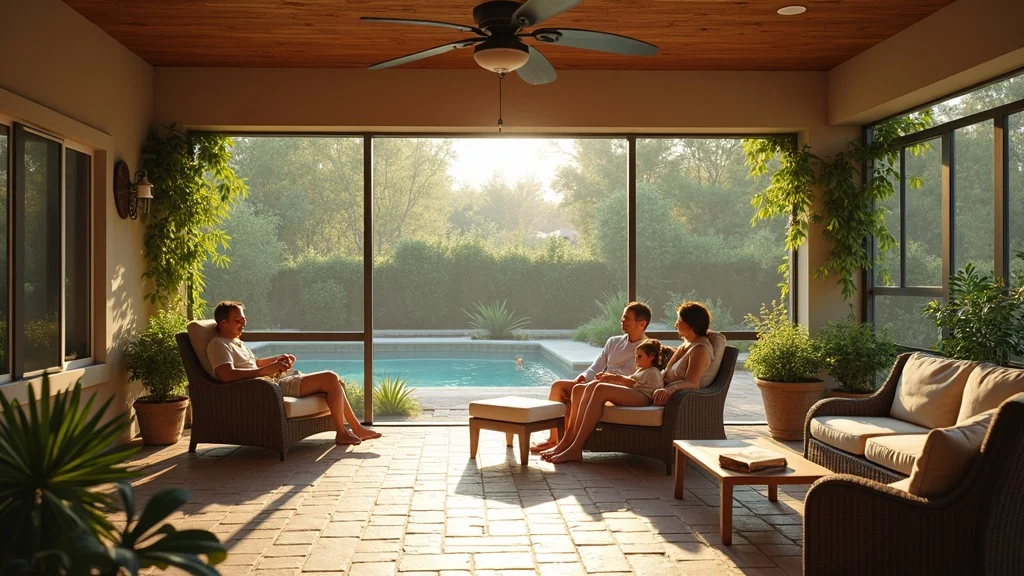
In Southwest Florida, the climate poses unique challenges to patio screen enclosures due to high humidity, strong sun exposure, and occasional storms. Value engineering plays an important role in adapting to these conditions by recommending materials and designs that can withstand local weather while minimizing costly repairs. For example, using powder-coated aluminum frames and high-quality mesh screens protects against corrosion and UV damage, extending the life of the enclosure.
Another key reason value engineering matters is ensuring compliance with local building codes and engineering standards. This avoids legal or safety issues and guarantees a structurally sound enclosure. Mike points out, “Engineering is important to get the right engineers that are going to look at the structure and ensure that it’s going to meet the expectations and code. ” By focusing on long-term durability and code adherence, value engineering reduces risks and maintenance headaches for homeowners.
Choosing the Right Materials for Durable and Cost-Effective Patio Screens
Material Options and Their Impact on Longevity and Cost
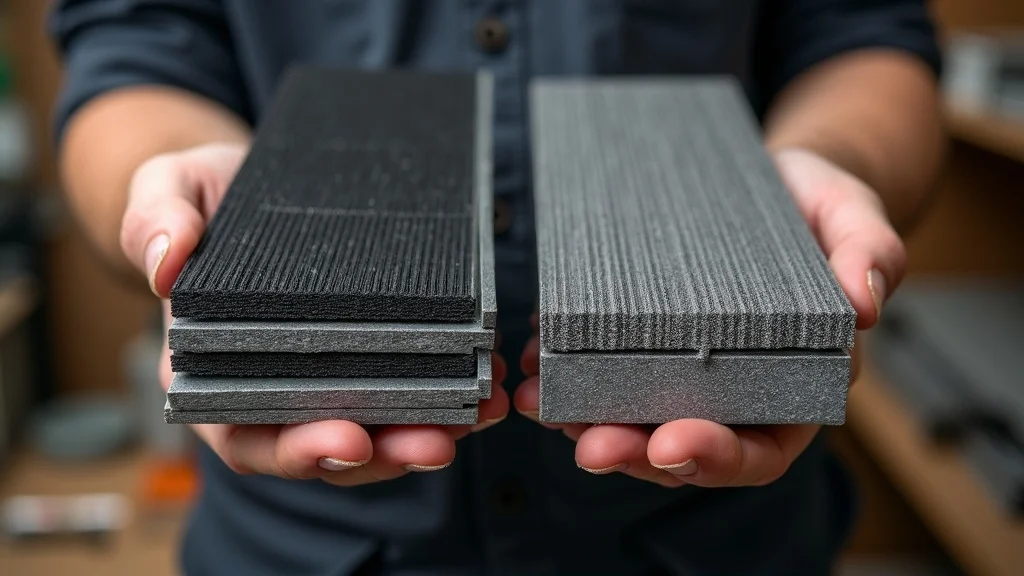
Material selection is a cornerstone of value engineering patio screens. The frames, screens, and coatings chosen directly influence durability, maintenance, and price. The most common frame material is aluminum, prized for its light weight and rust resistance. However, not all aluminum frames are created equal—higher grades with thicker powder coatings typically cost more but last significantly longer. Mike explains, “Warranties vary depending on the material that you use. Higher cost material is going to give you longevity in both the powder coating on the material as well as the screen. ”
Screen mesh options also differ considerably. Standard fiberglass screens are affordable but less long-lasting, whereas premium polyester or vinyl-coated screens offer enhanced strength and UV resistance. Insects and debris protection improves with screen density and weave quality, which also affects cost. Choosing materials rated for local weather conditions reduces the probability of sagging, tearing, or fading, translating into fewer replacement expenses over time.
Balancing Quality and Budget: Insights on Powder Coating and Screen Materials
One of the best ways to achieve cost-effective quality is balancing powder coating thickness and screen material options. Powder coating extends the life of aluminum frames by preventing oxidation and corrosion, which is vital in humid coastal regions. Lower-cost powder coatings might save money at installation but often degrade quickly, leading to rust spots and structural weakening.
Similarly, investing a bit more in screen materials pays off by preventing frequent tears or discoloration. Mike recommends clients focus on what they want to get from their cage project—whether a budget-friendly “economy” option or a more premium enclosure with extended warranties. Tailoring materials to customer needs creates the best value without unnecessary overspending.
Advanced Engineering and Structural Integrity in Patio Screen Enclosures
Role of Engineering Firms in Ensuring Code Compliance and Longevity
The structural integrity of patio screen enclosures is non-negotiable for safety and longevity. Advanced engineering plays a pivotal role in guaranteeing that enclosures withstand weather and usage demands while complying with local regulations. Mike emphasizes, “Engineering is important to get the right engineers that are going to look at the structure and ensure that it’s going to meet the expectations and code. ”
Qualified engineering firms analyze wind load design, load-bearing structures, and foundation requirements to produce plans that meet municipal standards. This process prevents common pitfalls like structural failure or the need for costly retrofits. By integrating advanced engineering into the design phase, homeowners secure both insurance compliance and peace of mind, knowing their patio screen is built to last.
How Advanced Engineering Enhances Outdoor Living Spaces
Besides safety, advanced engineering enhances the usability and performance of outdoor living areas. Proper structural design ensures frames maintain alignment and tension over years of exposure, preserving screen tautness and aesthetic appeal. Engineers can also optimize screen enclosure layouts to improve airflow, maximize sunlight, and integrate seamlessly with existing home architecture.
This holistic approach to design encourages longer outdoor enjoyment with fewer repairs or upgrades. By prioritizing engineering integrity, value engineering patio screens improve not only function but also the overall outdoor experience for homeowners and their families.

Common Maintenance Issues and How Value Engineering Prevents Them
Typical Problems with Pool Cages and Patio Screens in Southwest Florida
In Southwest Florida, common maintenance challenges for pool cages and patio screens include corrosion, loose fasteners, screen tears, and frame misalignment. The region’s humid, salty air accelerates metal rust, while strong winds and storms can damage structures if not properly engineered. According to Mike, “If you pick the right materials and get those rated for longevity, you usually don’t have a lot of problems and go well. ” This demonstrates the importance of choosing materials and engineering solutions that resist environmental stressors.
Additionally, poor installation and insufficient inspections can leave fasteners loose or cause screens to sag, leading to early deterioration and discomfort for users. Early detection and proper maintenance are key to extending the lifespan of patio screens.
Inspection Process: Identifying Red Flags Early
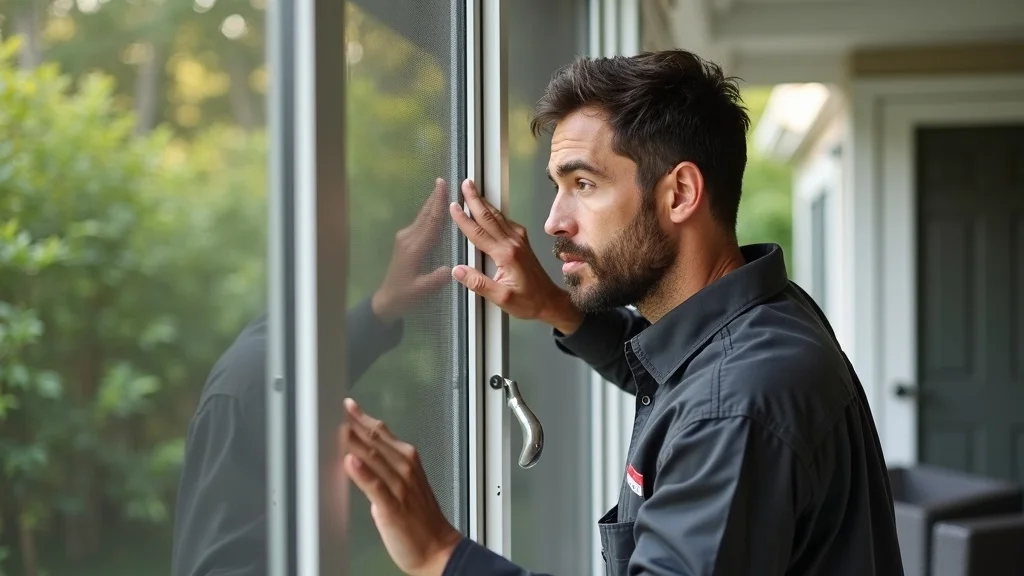
Regular inspections form an integral part of value engineering patio screens by catching issues before they become expensive problems. Mike shares that his team offers free inspections that include a thorough walk-through to identify fit problems, loose screws, or any components not secured properly. “Inspecting the entire job at completion and documenting concerns to ensure they get resolved timely is important,” says Mike.
By conducting these detailed assessments, installers can guarantee quality workmanship and address issues promptly, ensuring the enclosure meets all performance expectations from day one. This reduces callbacks, additional costs, and customer complaints, supporting an overall cost-effective outcome.
Value Engineering Strategies to Control Costs Without Sacrificing Quality
Tailoring Solutions Based on Customer Needs and Budget
A fundamental principle of value engineering is customizing patio screen options based on individual customer goals and financial constraints. Mike notes, “Depending on the customer, every customer is different. If they’re looking for an economy type cage, we ensure that we give them exactly what they want in order to have a good cage that’s going to be solid and structural. ” This personalized approach enables homeowners to choose essential features, material grades, and finishes that align with their budget, rather than defaulting to high-cost turnkey systems.
Through open communication, installers and engineers collaborate with clients to understand priorities, such as longevity vs. initial cost, aesthetic preferences, and warranty expectations. This collaboration ensures cost control without resorting to substandard materials or shortcuts.
Where to Find the Best Savings: Material Choices and Design Adjustments
One of the top value engineering tactics is identifying which materials and design features provide the best savings without sacrificing quality. For instance, selecting powder-coated aluminum frames combined with high-grade fiberglass screens can cut costs while maintaining durability. Conversely, using lower-cost mesh or thin coatings might lead to frequent replacement expenses.
Design modifications like simplifying enclosure shapes, minimizing custom angles, or standardizing frame sizes also create cost efficiencies during fabrication and installation. Mike remarks on how warranties are linked to material choices: “Higher cost material is going to give you longevity in both the powder coating on the material as well as the screen. ” Thus, investing upfront saves money down the road.

Customer Satisfaction and Professionalism in Patio Screen Installation
Training and Performance Standards for Installation Teams
Professional, well-trained installation teams are a vital part of delivering value-engineered patio screens that last. Mike shares, “Our team is paid based upon their performance. . . Their focus is to leave the job once, never come back. ” This incentivizes workers to complete installations efficiently and correctly on the first try, minimizing disruptions and costly callbacks.
Installers are trained to adhere to strict quality and safety standards, ensuring every fastener is tightened and every fit is precise. They also prioritize communication with customers to address any additional needs or changes, supporting a smooth project completion and high customer satisfaction.
Ensuring a Great Customer Experience and Job Completion
Customer service is woven into every step of the patio screen project. Sales and installation teams work together to explain options, provide thorough quotes, and follow up on feedback. If unexpected issues arise, they respond quickly with revised quotes and solutions. This commitment to transparency and professionalism helps build trust and guarantees that homeowners receive a product that meets or exceeds expectations.
Marketing and Customer Reviews: Building Trust in Patio Screen Services
Leveraging Video Testimonials and Social Media for Customer Outreach
Marketing plays a key role in spreading awareness about reliable patio screen services. Mike explains, “We’re really strongly focused on marketing right now. . . taking video testimonials from satisfied customers, showing their satisfaction on camera. ” These authentic videos are shared across Twitter, Facebook, and other social platforms, showcasing real client experiences and successful projects.
This transparent approach strengthens credibility by letting potential buyers see the quality and professionalism firsthand. It also provides social proof that encourages confidence when selecting a patio screen provider.
How Positive Reviews Influence Purchasing Decisions
Positive online reviews and testimonials significantly impact purchasing decisions in home improvement markets. A prospective homeowner researching value engineering patio screens looks for trustworthy providers with proven track records. Consistently high ratings and glowing reviews signal reliability, quality workmanship, and excellent customer service, tipping the scales in favor of those companies.
By actively cultivating customer satisfaction and showcasing it publicly, installation companies like Ace Screen Repair & More LLC build lasting reputations that foster new business growth and repeat customers.
People Also Ask
What is the difference between VE and VM?
Value Engineering (VE) focuses on optimizing project value by balancing cost and function, while Value Management (VM) is a broader approach that includes strategic planning and stakeholder engagement to maximize overall project benefits.
What are the 6 phases of value engineering?
The six phases of value engineering include Information, Function Analysis, Creative, Evaluation, Development, and Presentation, guiding the process from understanding project needs to implementing cost-saving solutions.
What is the best example of value engineering?
A prime example of value engineering is selecting materials that provide durability and longevity at a lower cost, such as choosing powder-coated aluminum for patio screens to reduce maintenance and replacement expenses.
Who is the father of value engineering?
Lawrence D. Miles is recognized as the father of value engineering, having developed the methodology during his work at General Electric in the 1940s.
Summary of Key Takeaways
- Selecting high-quality, durable materials is essential for long-lasting patio screen enclosures.
- Advanced engineering ensures structural integrity and compliance with local codes.
- Regular inspections help identify and resolve maintenance issues early.
- Value engineering tailors solutions to customer budgets without compromising quality.
- Professional installation teams focused on performance enhance customer satisfaction.
- Marketing through video testimonials and social media builds trust and credibility.
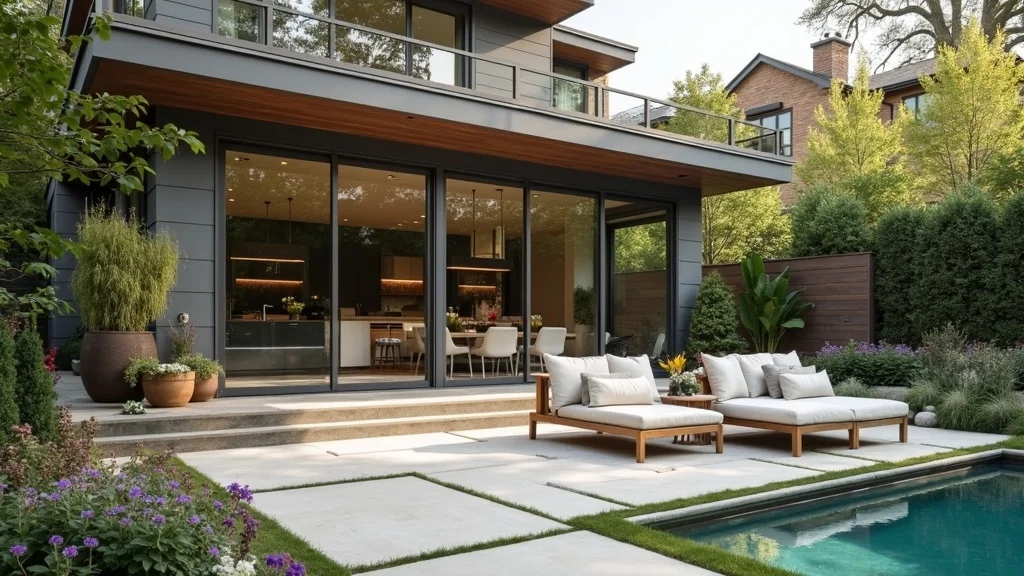
Final Thoughts on Value Engineering Patio Screens
Implementing value engineering in patio screen enclosures not only controls costs but also ensures a durable, high-quality outdoor living space that meets customer expectations. As Mike of Ace Screen Repair & More LLC emphasizes, choosing the right materials and engineering expertise is key to a successful project.
Contact for a FREE Estimate
For a FREE Estimate Call Mike @ 616 516 5248
What You'll Learn
- The definition and importance of value engineering in patio screen enclosures.
- Material options that balance durability and cost-effectiveness.
- How advanced engineering firms ensure structural integrity and code compliance.
- Common maintenance issues and how early inspections prevent costly repairs.
- Strategies for tailoring projects to customer budgets without sacrificing quality.
- How professionalism and marketing influence customer satisfaction and trust.


Write A Comment